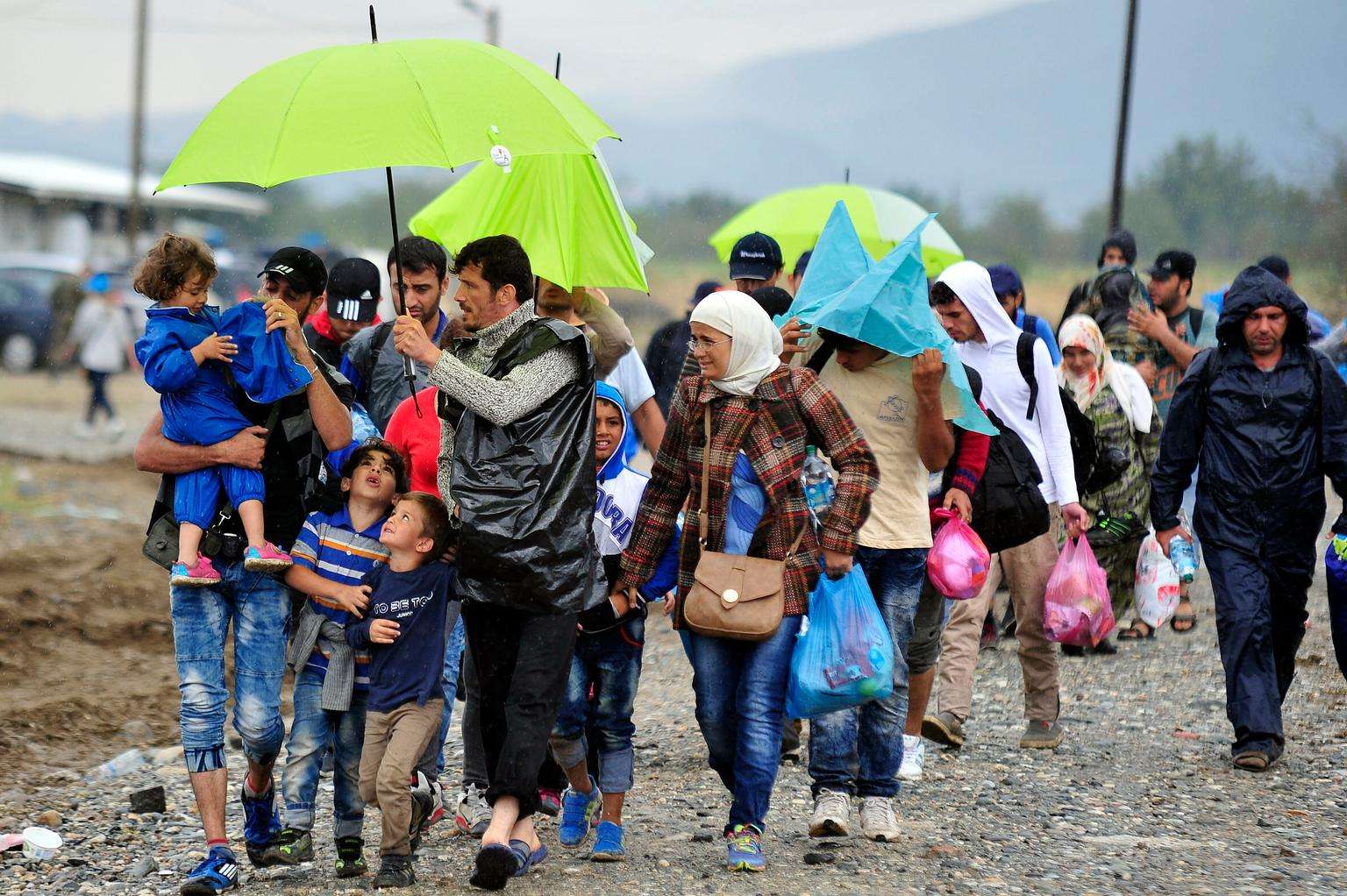
For millions of children around the world, migration is not simply a change of location—it is a life-changing experience that reshapes their education, relationships, identity, and sense of belonging. Some move with their families in search of better opportunities, while others are displaced by conflict, environmental disasters, economic hardship, or political instability. Many undertake journeys…
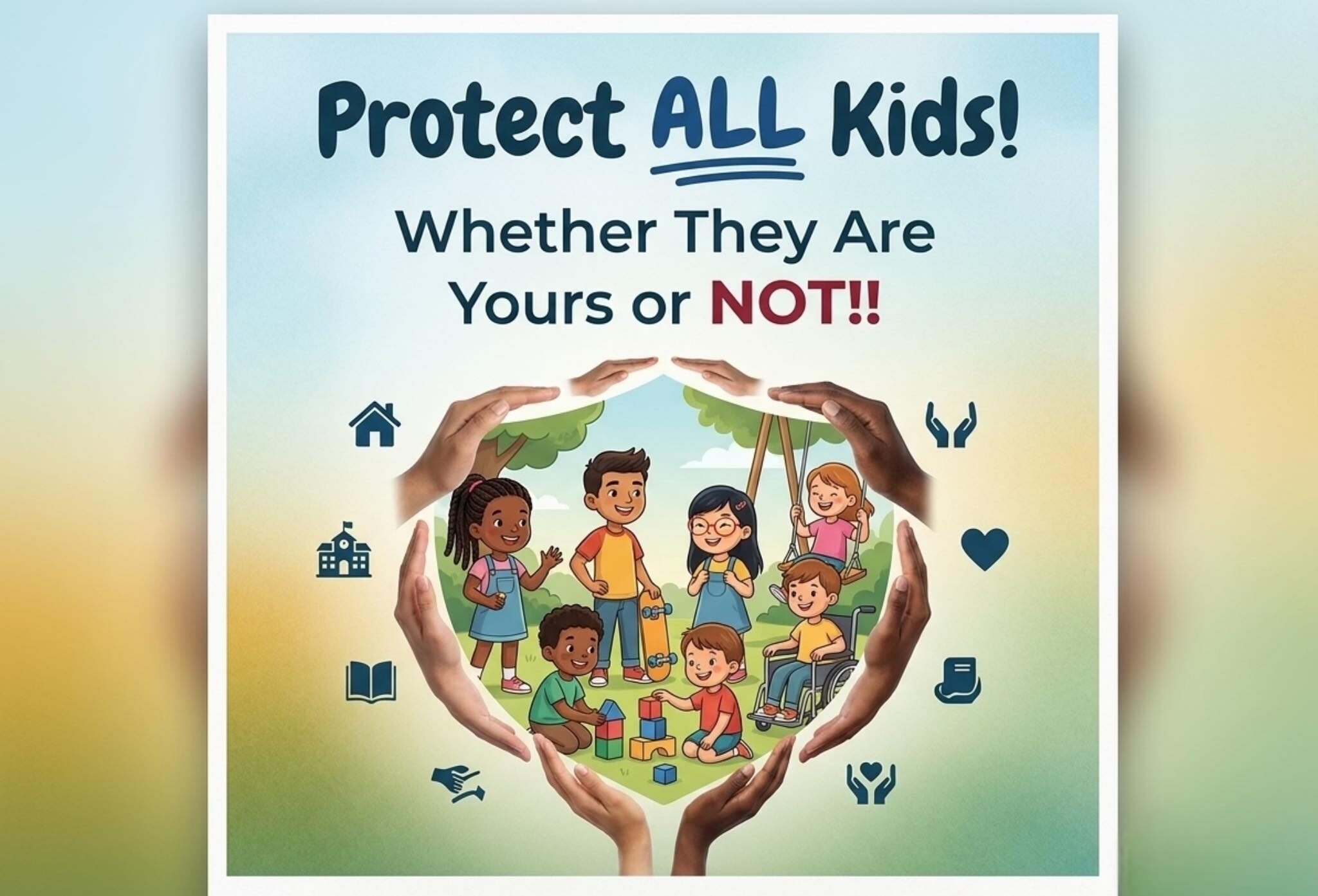
A child’s future should not be determined by geography. The circumstances of a child’s birth—the country they enter the world in, their family’s economic situation, or the challenges facing their community—can have a profound impact on their opportunities. Yet every child begins life with the same fundamental needs: safety, care, education, health, and the chance…
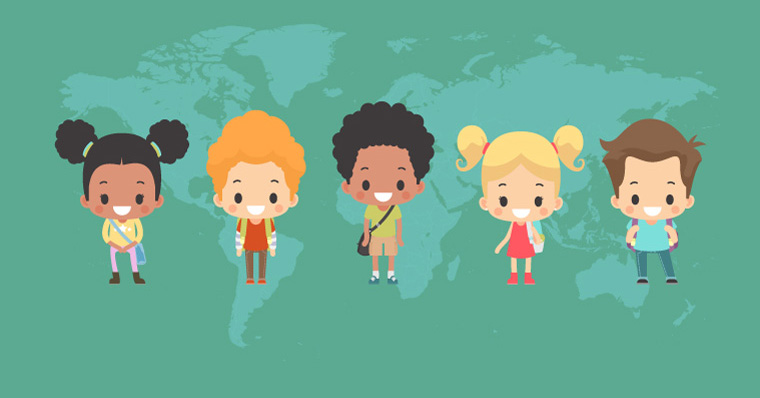
For many children, childhood is shaped by movement. A new city, a different language, an unfamiliar school, or a changing family environment can become part of their everyday experience. While migration can create opportunities for growth and new experiences, it can also introduce emotional challenges that affect how children understand themselves, their relationships, and the…
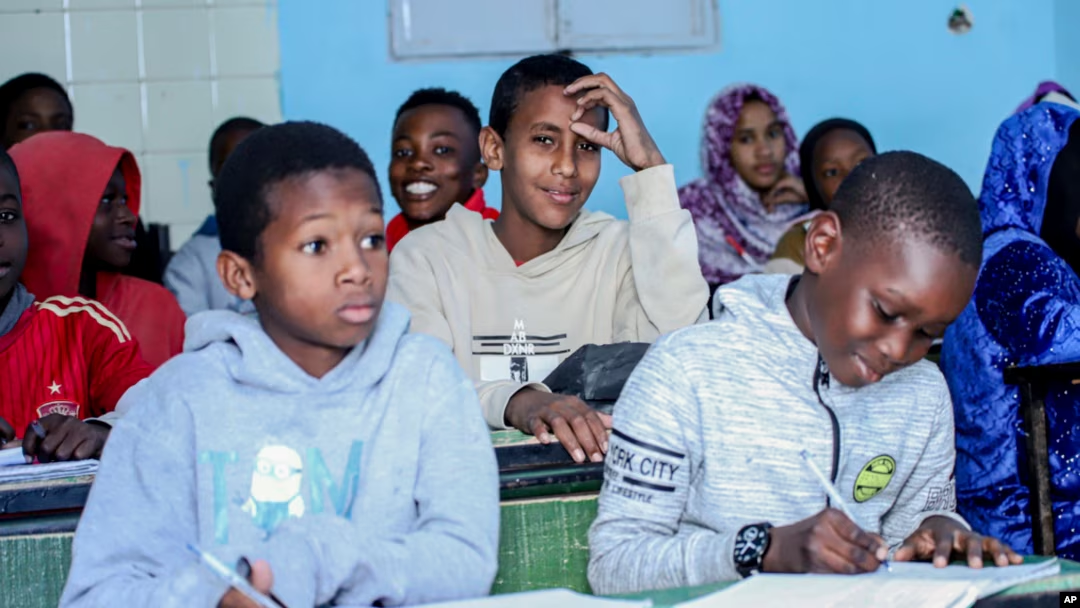
For many children, school represents far more than a place to learn mathematics, science, languages, or history. It is a space where friendships are formed, confidence develops, routines are created, and dreams begin to take shape. For migrant children, education can be especially important. After leaving familiar communities, homes, and social networks, school often becomes…
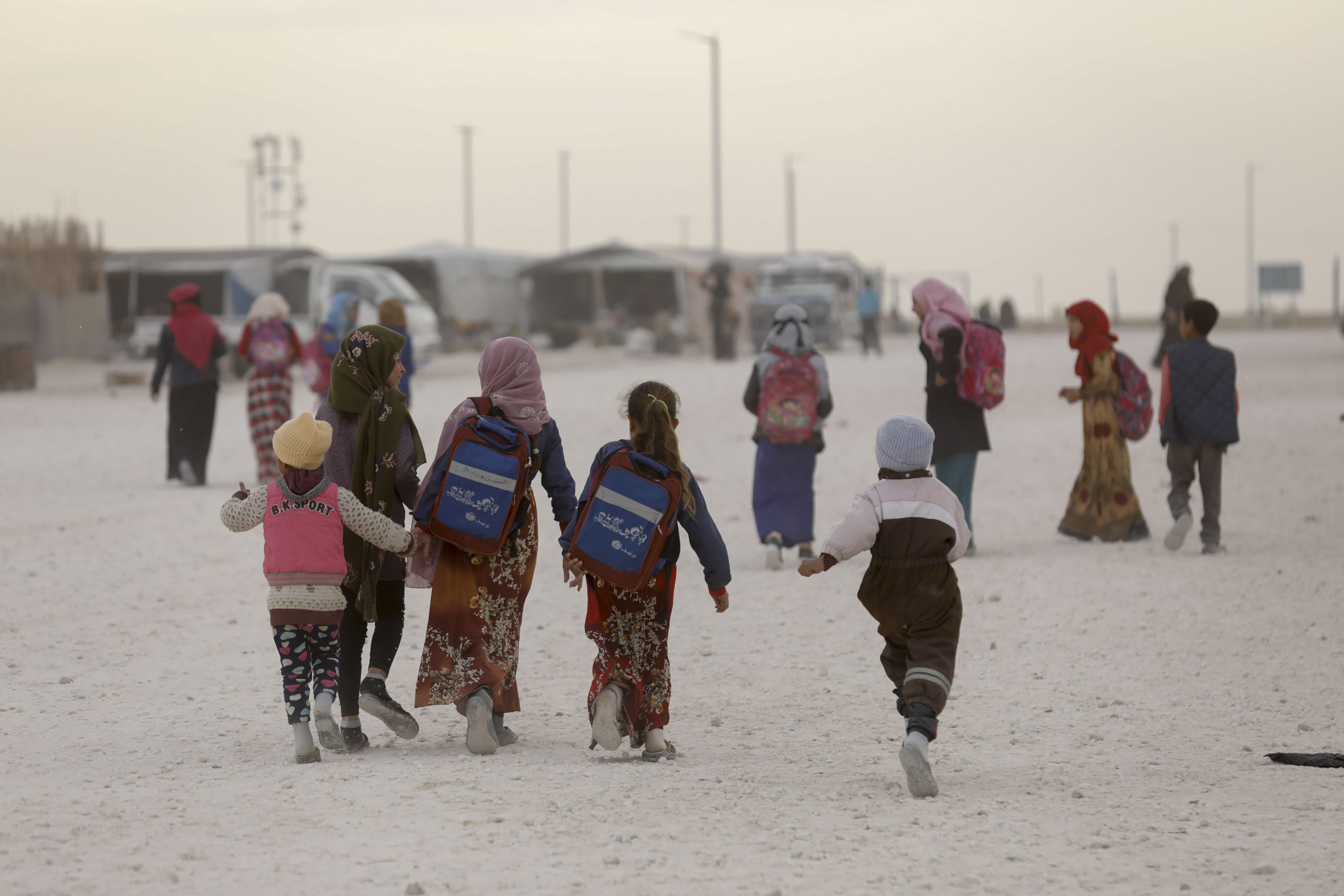
Migration is often described through numbers, borders, and policies. Yet behind every movement across a country or between nations is a personal story—especially when children are involved. For children on the move, migration is not only a physical journey from one place to another. It is an emotional, social, and developmental experience that can shape…
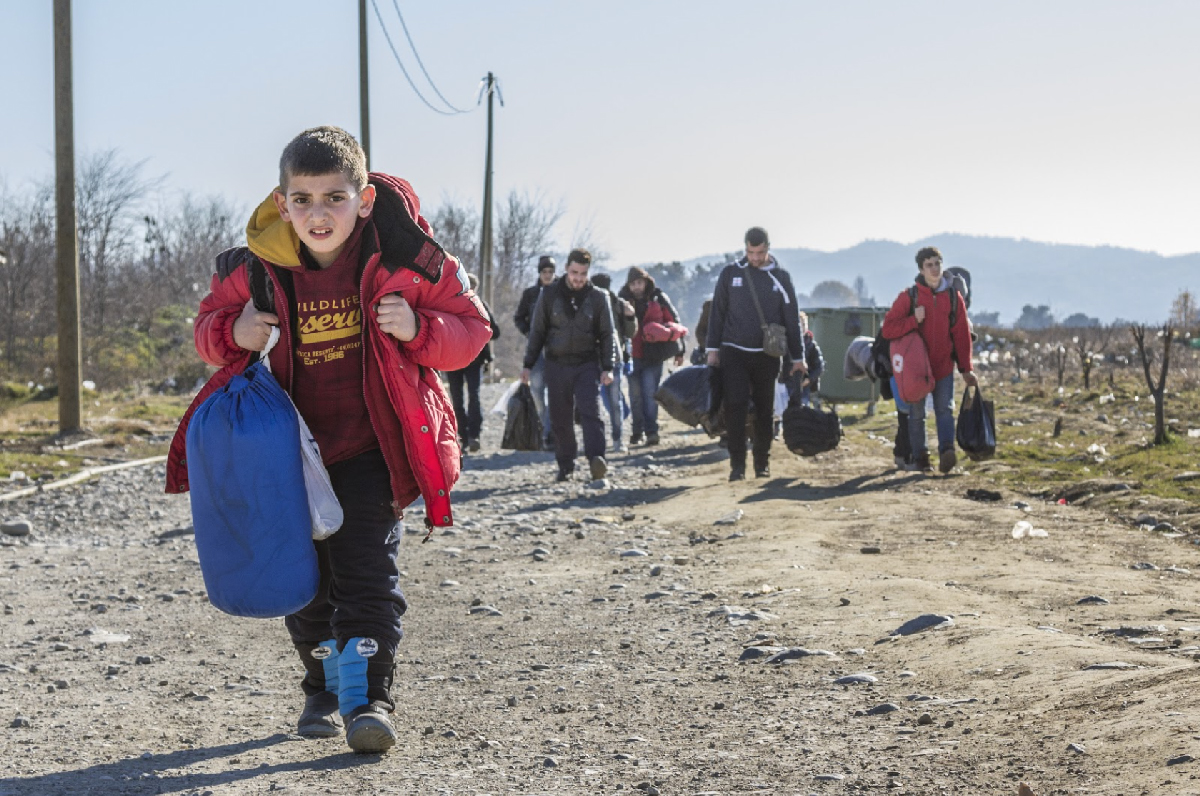
Childhood is often associated with stability: familiar homes, supportive relationships, education, play, and the freedom to imagine the future. Yet for millions of children around the world, childhood is interrupted by circumstances beyond their control. Conflict, climate change, and poverty are among the most powerful forces driving families to leave their homes in search of…
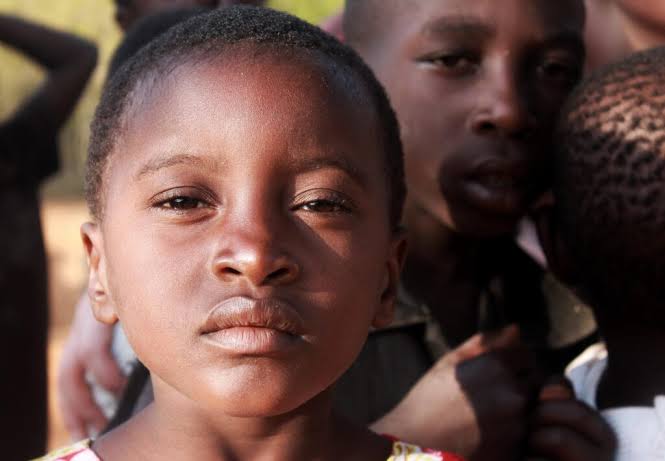
Migration can open doors to new opportunities, safer environments, and better futures. Yet for many children, the journey also involves uncertainty, loss, and major life changes that can affect their emotional well-being. Children affected by migration may experience the loss of familiar homes, separation from loved ones, disrupted education, cultural adjustment, and uncertainty about the…
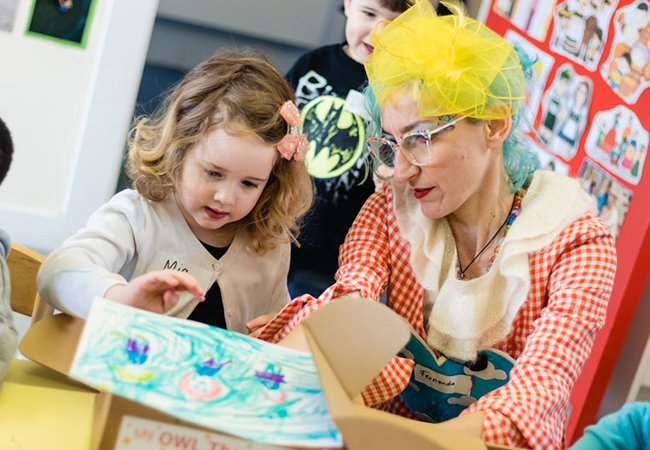
For children who move across borders, language is more than a way to communicate. It is a connection to family, culture, memories, and identity. It shapes how children express themselves, build relationships, and understand their place in the world. When children arrive in a new community, learning a new language can open doors to education,…
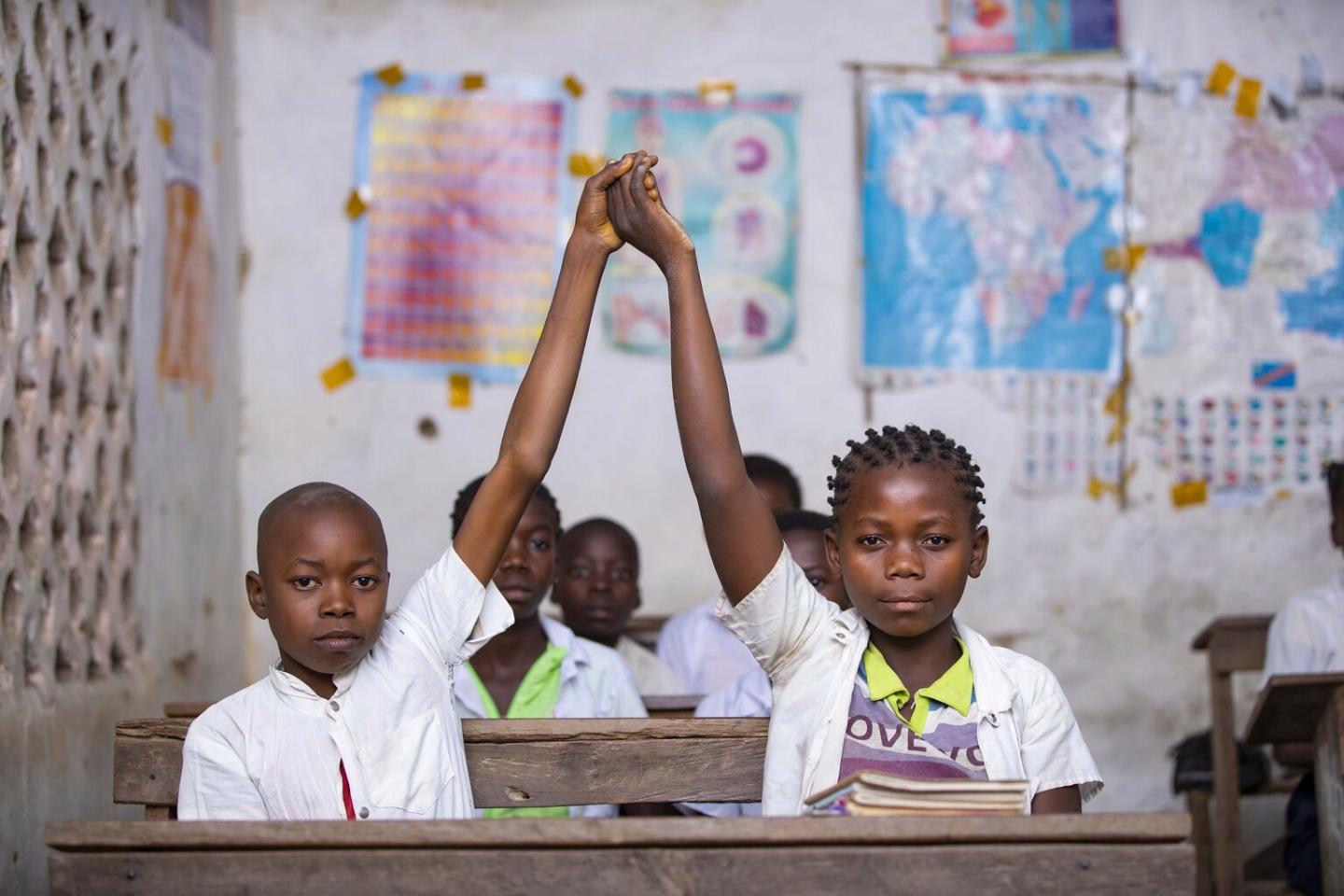
For children affected by migration, entering a new school is often one of the most important steps in rebuilding a sense of stability. A classroom can become more than a place for academic learning—it can become a space where children form friendships, regain confidence, discover their strengths, and begin to feel connected to a new…
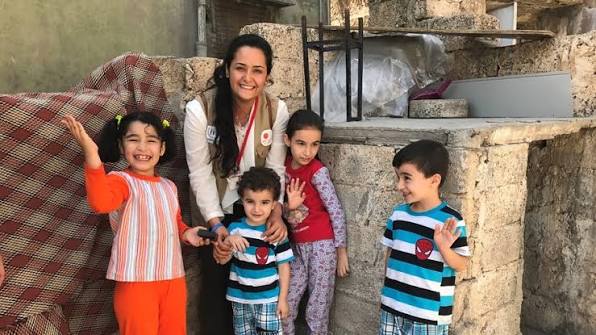
Migration policies are often shaped around borders, legal systems, and national priorities. However, when children are part of migration movements, policies must consider something more fundamental: the needs, rights, and future of every child. Children experience migration differently from adults. They depend on caregivers, require access to education and healthcare, and are still developing emotionally…