
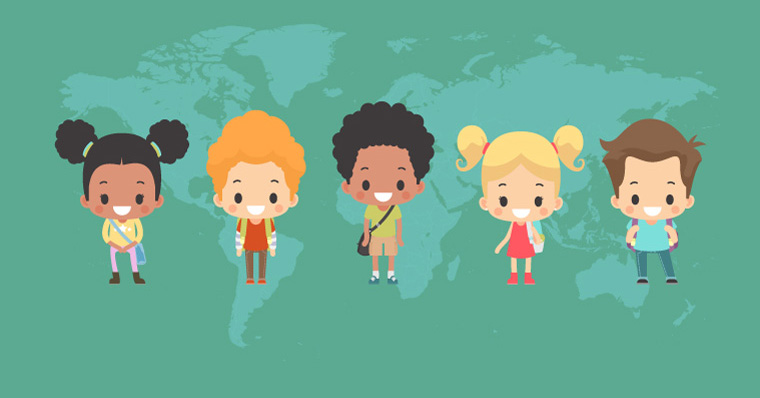
For many children, childhood is shaped by movement. A new city, a different language, an unfamiliar school, or a changing family environment can become part of their everyday experience. While migration can create opportunities for growth and new experiences, it can also introduce emotional challenges that affect how children understand themselves, their relationships, and the world around them.
Growing up between countries means more than living in multiple places. It often involves navigating different cultures, expectations, languages, and identities at the same time. For children experiencing migration, adaptation is not only about adjusting to a new environment—it is also about building a sense of belonging while carrying memories of the places they have left behind.
Understanding the psychology of migration is essential for creating supportive environments where children can develop resilience, confidence, and a strong sense of identity.
The Emotional Experience of Childhood Migration
Migration affects children differently depending on their age, personality, family situation, and the circumstances surrounding the move.
Some children migrate because their families are seeking new opportunities, such as education or employment. Others move because of circumstances beyond their control, including conflict, displacement, or environmental challenges.
Regardless of the reason, migration can involve a mixture of emotions.
Children may experience:
- Excitement about a new beginning
- Curiosity about a different culture
- Sadness about leaving familiar places
- Anxiety about uncertainty
- Frustration with new challenges
- Loneliness while building new relationships
These emotions can exist at the same time. A child may feel hopeful about the future while still grieving what they have lost.
Recognizing this complexity helps adults provide better support.
The Impact of Relocation on Child Development
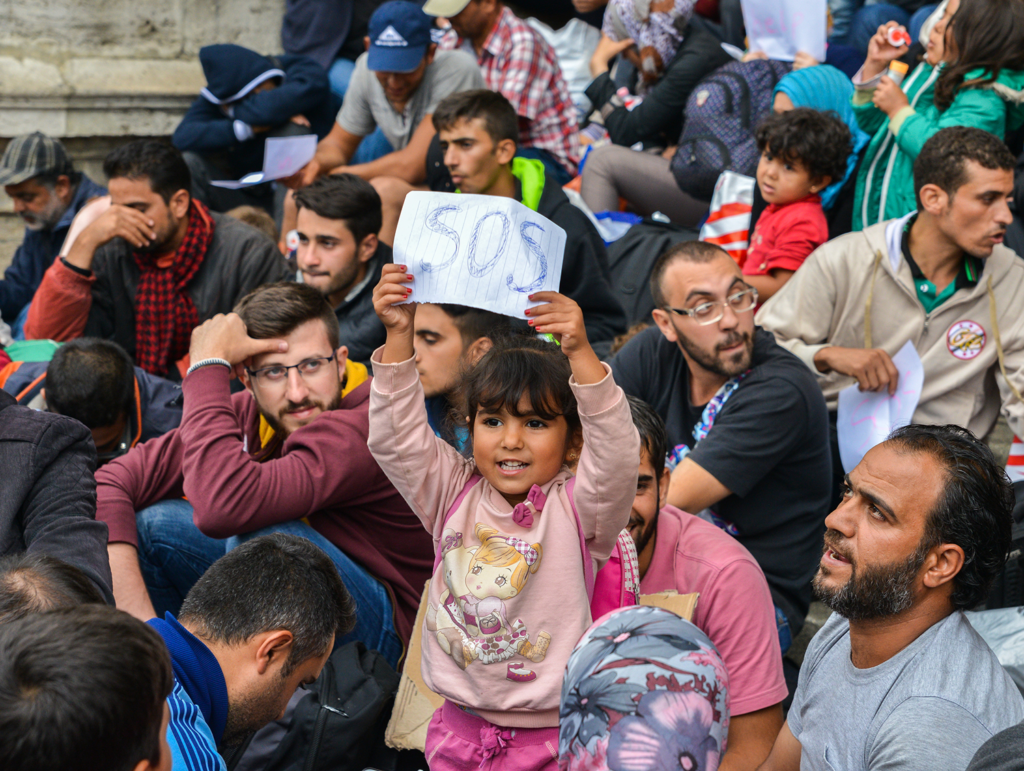
Childhood is a period of rapid emotional, social, and cognitive development.
During these years, children build important foundations through:
- Relationships with family and peers
- Educational experiences
- Community connections
- Cultural traditions
- Personal achievements
Migration can interrupt some of these foundations.
A move may require children to adjust to:
- A new language
- Different social expectations
- New educational systems
- Changes in family responsibilities
- Different cultural norms
These adjustments require significant emotional energy.
For some children, frequent moves or prolonged uncertainty can create feelings of instability. For others, supportive environments can help migration become an experience that strengthens adaptability and confidence.
The Experience of Loss and Change
One of the most important psychological aspects of migration is the experience of loss.
Children may lose more than a physical home.
They may leave behind:
- Friends
- Extended family members
- Familiar routines
- Community traditions
- Favorite places
- A sense of familiarity
Adults sometimes underestimate these losses because children may appear to adapt quickly.
However, children can experience grief connected to migration even when the move creates positive opportunities.
Providing space for children to talk about what they miss helps them process change in healthy ways.
Cultural Adaptation and Identity Development
Culture plays a major role in how children understand themselves.
When children move between countries, they often learn to navigate multiple cultural worlds.
They may develop connections to:
- Their family’s cultural heritage
- Their new community
- Multiple languages
- Different social traditions
- Various ways of understanding identity
This experience can create a rich and flexible sense of self.
Children who grow up between cultures often develop:
- Greater adaptability
- Cross-cultural communication skills
- Broader perspectives
- Increased empathy
However, cultural adaptation can also create challenges.
Children may feel pressure to choose between identities or worry that they do not fully belong anywhere.
The Search for Belonging
Belonging is one of the most important psychological needs during childhood.
Children need to feel:
- Accepted
- Understood
- Connected
- Valued
Migration can make belonging more complicated.
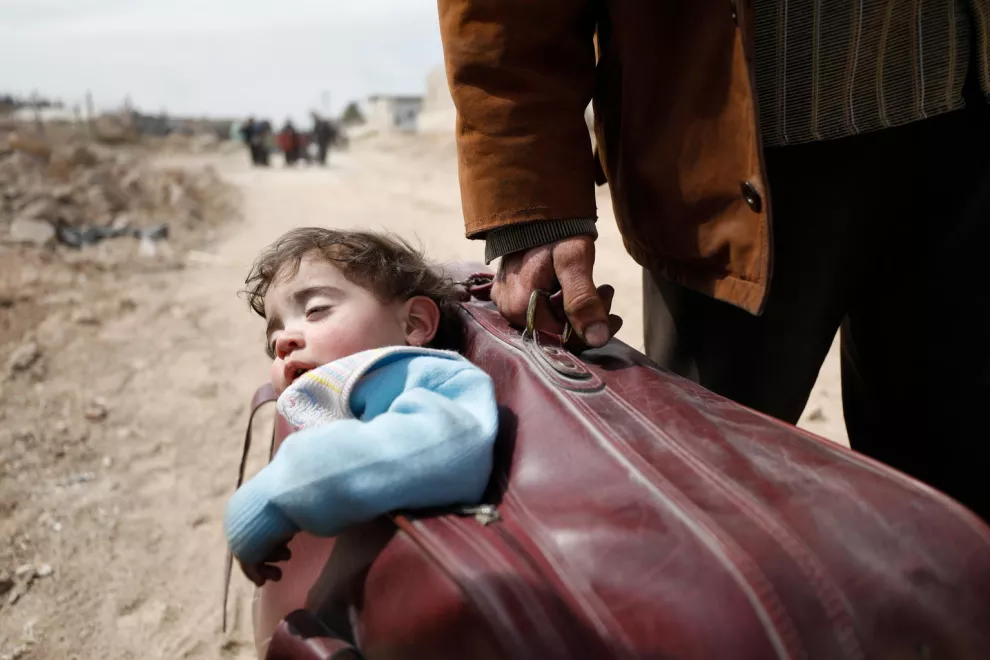
A child may feel connected to their family’s country of origin but also identify strongly with their new home. They may speak multiple languages or combine traditions from different cultures.
Belonging does not have to mean choosing one identity over another.
Healthy development often occurs when children are supported in embracing all parts of who they are.
The Role of Language in Identity and Connection
Language is more than a communication tool.
It is closely connected to identity, relationships, and emotional expression.
For children who migrate, learning a new language can open opportunities for friendship and participation. However, it can also create frustration when children struggle to express their thoughts and feelings.
Language barriers may affect:
- Classroom participation
- Social relationships
- Confidence
- Parent-child communication
Supporting multilingual development helps children maintain connections to their heritage while building confidence in their new environment.
A child’s home language is not a barrier—it is part of their identity and strength.
Education as a Source of Stability
Schools often become one of the most important environments for children experiencing migration.
A supportive school can provide:
- Routine
- Friendship
- Academic growth
- Emotional support
- A sense of normal life
For children facing uncertainty, the classroom can become a place where they begin rebuilding stability.
Educators play a critical role by creating inclusive environments that recognize different backgrounds and experiences.
Helpful approaches include:
- Supporting language development
- Encouraging cultural exchange
- Preventing discrimination
- Building strong relationships with students
- Recognizing individual strengths
Education is not only about academic achievement—it is also about belonging.
Migration and Resilience
Resilience refers to the ability to adapt, recover, and continue developing despite challenges.
Migration can present difficulties, but it can also contribute to resilience when children receive appropriate support.
Children who successfully adapt may develop:
- Problem-solving skills
- Confidence in unfamiliar situations
- Independence
- Emotional flexibility
- Greater awareness of different perspectives
Resilience does not mean children are unaffected by challenges.
It means they have access to relationships, resources, and opportunities that help them navigate those challenges.
Strong support systems are essential for building resilience.
The Importance of Family Support
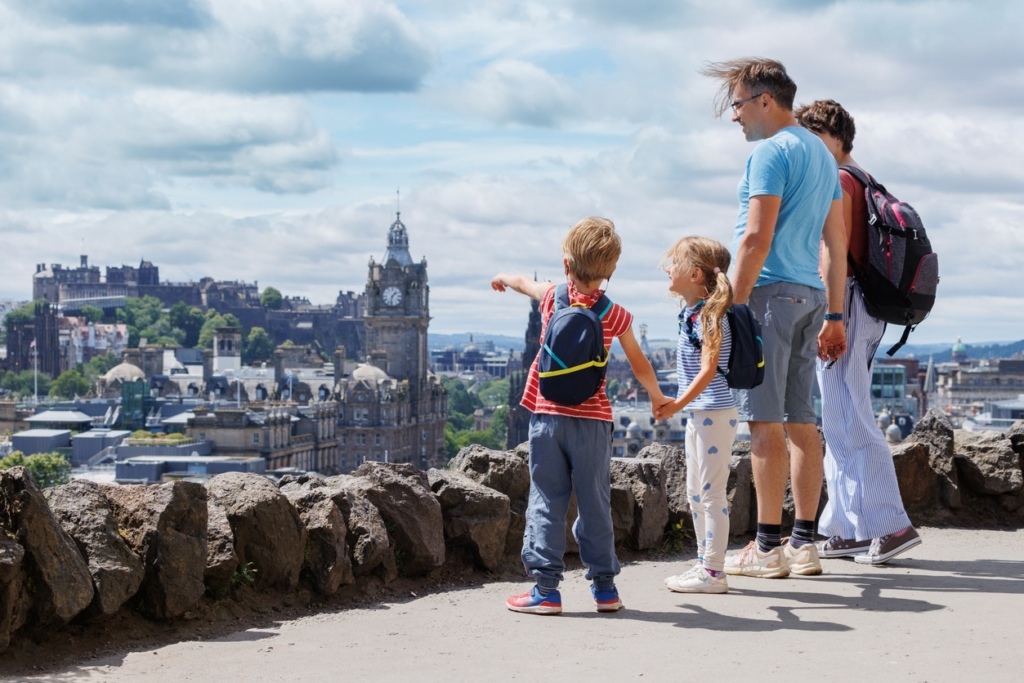
Families often provide the strongest emotional foundation during migration.
Parents and caregivers help children adjust by:
- Maintaining familiar routines
- Encouraging open conversations
- Preserving cultural connections
- Providing emotional reassurance
- Helping children understand change
However, migration can also create stress for families.
Adults may be managing their own challenges related to employment, housing, legal processes, or cultural adjustment.
Supporting children also requires supporting the families around them.
Mental Health Support for Children on the Move
Children experiencing migration may benefit from psychological support, especially when they have experienced significant disruption or trauma.
Child-centered mental health support can help children:
- Express emotions
- Process difficult experiences
- Develop coping strategies
- Build confidence
- Strengthen relationships
Support does not always need to begin with formal therapy.
Safe relationships with teachers, caregivers, mentors, and community members can also play an important protective role.
The goal is to ensure children feel heard, understood, and supported.
Creating Inclusive Communities for Migrating Children
A child’s ability to adapt depends not only on individual resilience but also on the environment around them.
Communities can support children by creating spaces where diversity is welcomed.
This includes:
- Inclusive schools
- Youth programs
- Community activities
- Cultural exchange opportunities
- Accessible support services
When children feel accepted, they are better able to build connections and develop a positive sense of identity.
Inclusion benefits not only migrating children but entire communities by encouraging understanding and cooperation.
Policies That Recognize Children’s Emotional Needs
Migration policies often focus on legal status, borders, and administrative processes.
While these issues are important, child-centered approaches must also consider emotional development.
Policies should recognize the importance of:
- Family unity
- Access to education
- Mental health services
- Safe living conditions
- Protection from discrimination
- Opportunities for social integration
Children are not simply part of migration statistics. They are individuals experiencing significant stages of development.
Growing Up Between Worlds Can Become a Strength
Children who grow up between countries often develop unique perspectives.
They may learn to navigate different cultures, communicate across differences, and understand multiple viewpoints from an early age.
With the right support, migration experiences can contribute to:
- Greater empathy
- Cultural awareness
- Adaptability
- Confidence
- Global understanding
The challenge for societies is ensuring that children are given the resources and acceptance needed to transform complexity into strength.
Building a World Where Every Child Belongs
Migration changes childhood in profound ways. It affects how children learn, form relationships, understand identity, and imagine their future.
Yet a child’s ability to thrive depends not only on where they live but also on whether they feel protected, supported, and valued.
Children growing up between countries should not have to choose between their past and their future. They should be encouraged to embrace every part of their identity while building connections in the communities they join.
Protecting the psychological well-being of children on the move requires cooperation between families, schools, communities, governments, and international organizations.
Every child deserves a place where they belong—not because of their birthplace or migration status, but because they are a child with rights, dreams, and the potential to shape the world around them.