
Migration policies are often shaped around borders, legal systems, and national priorities. However, when children are part of migration movements, policies must consider something more fundamental: the needs, rights, and future of every child.
Children experience migration differently from adults. They depend on caregivers, require access to education and healthcare, and are still developing emotionally and socially. Decisions made during migration can influence their well-being for years.
Child-friendly migration policies recognize that children are not simply part of migration statistics or family movements. They are individuals with unique needs, rights, and potential.
Around the world, successful programs demonstrate that governments can protect children while also creating more inclusive and resilient communities. The most effective approaches place safety, education, family support, and long-term development at the center of migration systems.
What Makes a Migration Policy Child-Friendly?
A child-friendly migration policy begins with a simple principle:
Children should be treated as children first.
This means that migration status, nationality, or country of origin should not determine whether a child can access essential protections.
A child-centered approach prioritizes:
- Physical safety
- Access to education
- Healthcare services
- Family unity
- Emotional well-being
- Protection from exploitation
- Participation in decisions affecting them
Effective policies recognize that supporting children during migration is not only a humanitarian responsibility—it is also an investment in the future.
Moving From Border Management to Child Protection
Traditional migration systems often focus primarily on controlling movement and processing legal requirements.
While governments have legitimate responsibilities regarding migration management, child-friendly systems add another essential question:
How does this process affect the child?
A child-focused approach considers:
- Whether children are safe
- Whether families can remain together
- Whether education is interrupted
- Whether children have access to support services
- Whether their voices are heard
This shift changes migration policy from a purely administrative process into a protection framework.
Ensuring Safe Arrival and Early Support
The first days and weeks after migration can shape a child’s adjustment.
Successful programs often provide immediate support, including:
- Safe accommodation
- Health assessments
- Educational guidance
- Language assistance
- Family support services
- Information about available resources
Early support helps reduce uncertainty and allows children to begin adapting more quickly.
A child who feels safe is better able to learn, build relationships, and recover from difficult experiences.
Keeping Families Together
Family relationships are among the strongest sources of emotional security for children.
Policies that support family unity recognize that separation can create significant psychological harm.
Child-friendly approaches prioritize:
- Avoiding unnecessary family separation
- Supporting reunification when possible
- Providing assistance to caregivers
- Considering children’s family relationships in decision-making
Children benefit when they can remain connected to trusted adults who provide care and stability.
Education as a Core Part of Migration Policy
Access to education is one of the most important protections for migrant children.
Schools provide:
- Learning opportunities
- Social connections
- Routine and stability
- Language development
- A sense of belonging
Successful programs often focus on quickly integrating migrant children into education systems rather than allowing long periods of interruption.
Effective education policies may include:
- Simplified school enrollment procedures
- Language learning support
- Additional academic assistance
- Teacher training
- Inclusive classroom practices
Education should be viewed as a foundation for successful integration, not an optional service.
Language Support as a Tool for Inclusion
Language barriers can prevent children from participating fully in schools and communities.
Governments that prioritize language support help children access opportunities while maintaining their cultural identities.
Strong programs often provide:
- Additional language classes
- Multilingual learning resources
- Support for parents communicating with schools
- Training for educators working with multilingual students
Learning a new language should be a bridge to participation rather than a barrier to belonging.
Providing Mental Health and Emotional Support
Migration can involve significant emotional challenges, especially for children who have experienced displacement, conflict, or uncertainty.
Child-friendly policies recognize that physical safety alone is not enough.
Effective programs include access to:
- Mental health services
- Trauma-informed support
- School-based counseling
- Community support networks
- Trusted adults who can provide guidance
Emotional recovery is an essential part of helping children build healthy futures.
Supporting Integration Through Communities
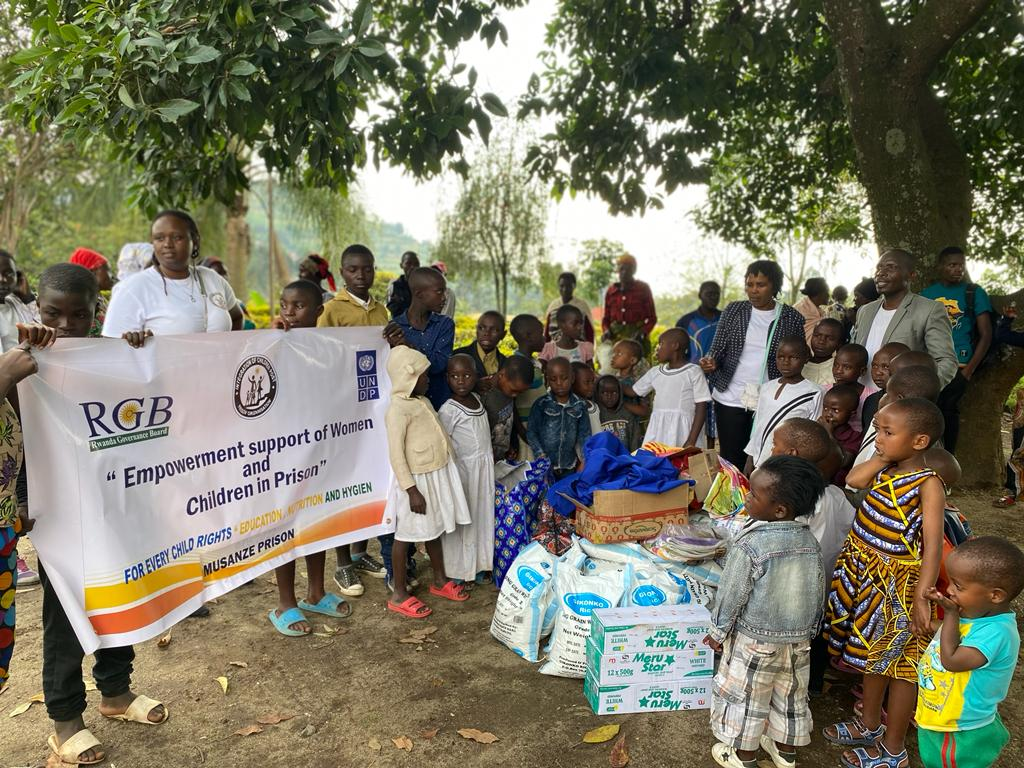
Government policies are most successful when they connect with local communities.
Communities play an important role in helping children feel accepted and supported.
Successful initiatives often involve:
- Community centers
- Youth programs
- Cultural exchange activities
- Mentorship opportunities
- Partnerships between schools and local organizations
Integration works best when children are not treated as outsiders but welcomed as members of the community.
Successful Approaches From Around the World
Different countries have developed different approaches to supporting migrant children. While programs vary, successful initiatives often share common principles: early support, access to education, inclusion, and respect for children’s rights.
Inclusive School Integration Programs
Many education systems have created programs that help migrant children enter schools more smoothly.
Common features include:
- Welcome classes for newly arrived students
- Language support
- Individual learning plans
- Cultural inclusion activities
- Teacher training
These programs help children adapt academically and socially while preventing long-term educational gaps.
Community-Based Support Networks
Some successful initiatives connect migrant families with local support networks.
These programs may provide:
- Information about services
- Language assistance
- Family guidance
- Social connections
- Youth activities
Community-based support helps families navigate unfamiliar systems while creating stronger relationships between newcomers and local residents.
Child Protection Services for Vulnerable Children
Programs focused on vulnerable migrant children often provide specialized assistance for those facing higher risks.
Support may include:
- Safe housing
- Legal assistance
- Educational access
- Healthcare referrals
- Protection from exploitation
These services recognize that some children require additional safeguards due to their circumstances.
Listening to Children’s Voices
One of the most important lessons from effective child-focused programs is the value of listening to children.
Children have their own experiences, concerns, and ideas about what support they need.
Policies improve when children are given opportunities to share their perspectives through:
- Youth consultations
- Student participation programs
- Community discussions
- Feedback systems
Children are not only recipients of policies. They are participants in shaping solutions.
Training Professionals Who Work With Migrant Children
Child-friendly migration systems depend on the people who deliver them.
Professionals working with migrant children—including teachers, healthcare workers, social workers, and government officials—need appropriate training.
Important skills include:
- Understanding child development
- Recognizing signs of distress
- Communicating across cultures
- Protecting children’s rights
- Supporting diverse families
Well-trained professionals help ensure that policies become meaningful experiences for children.
Measuring Success Beyond Numbers
Migration policies are often evaluated through administrative outcomes, such as processing times or enforcement measures.
Child-friendly approaches require broader measures of success.
Governments should consider:
- Are children attending school?
- Do they feel safe?
- Do families have access to healthcare?
- Are children building friendships?
- Are they developing confidence and skills?
A successful policy is one that improves children’s lives, not only one that manages movement.
The Long-Term Benefits of Investing in Children
Supporting migrant children creates benefits that extend across generations.
Children who receive protection and opportunity are more likely to:
- Complete their education
- Participate in communities
- Develop professional skills
- Build positive relationships
- Contribute to society
Investing in children strengthens communities and creates more inclusive societies.
Migration policies designed around children’s needs ultimately benefit everyone.
Creating a Future Where Migration Protects Childhood
Migration will continue to shape societies around the world. The challenge for governments is ensuring that children do not lose their rights and opportunities during this process.
Child-friendly migration policies show that safety, inclusion, and effective migration management can exist together.
The strongest programs recognize that every child deserves:
- A safe environment
- Access to education
- Support for emotional well-being
- Protection from harm
- The opportunity to build a future
Borders may define countries, but they should not define a child’s potential.
By placing children at the center of migration policy, governments can create systems that protect childhood, strengthen communities, and build a more inclusive world for future generations.