
For children who move across borders, language is more than a way to communicate. It is a connection to family, culture, memories, and identity. It shapes how children express themselves, build relationships, and understand their place in the world.
When children arrive in a new community, learning a new language can open doors to education, friendships, and opportunities. At the same time, maintaining their original language and cultural traditions helps them preserve important parts of who they are.
For children affected by migration, true inclusion does not require choosing between the past and the future. It means creating environments where children can honor their heritage while confidently participating in their new communities.
Language support, cultural recognition, and inclusive education are essential tools for helping children feel valued, connected, and empowered.
Language as a Bridge to Belonging
Language influences nearly every part of a child’s experience.
It affects:
- How children communicate their needs
- How they participate in school
- How they make friends
- How they express emotions
- How they connect with their families
- How they understand their surroundings
For migrant children entering a new environment, unfamiliar language can create feelings of isolation.
A child may have ideas, questions, and stories to share but struggle to express them. This can affect confidence and participation, especially in classrooms and social settings.
Language learning is therefore not only an academic process. It is a pathway toward belonging.
When children gain confidence communicating in their new language while maintaining their original language, they are better able to navigate multiple worlds.
The Importance of Multilingual Education
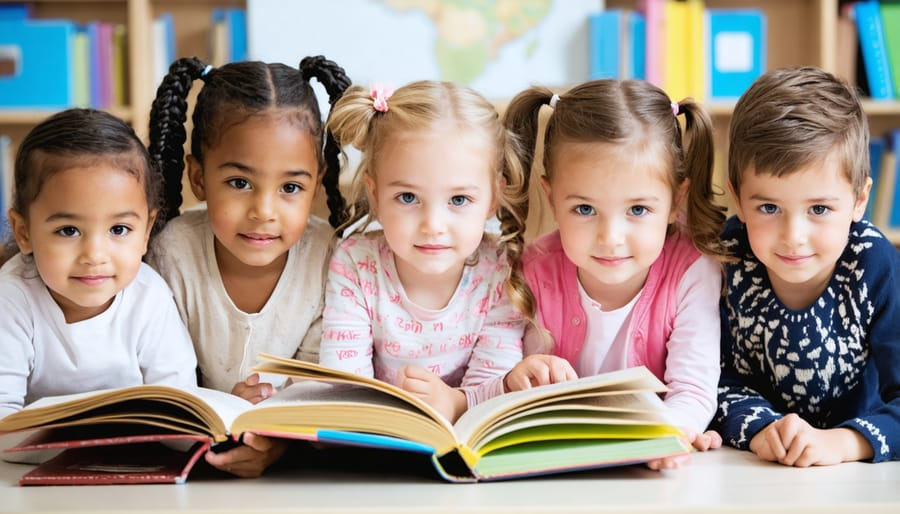
Multilingual education recognizes that speaking multiple languages is a strength.
Children who grow up with more than one language often develop valuable skills, including:
- Greater cultural awareness
- Flexible thinking
- Strong communication abilities
- Ability to understand different perspectives
Rather than treating a child’s first language as a barrier, inclusive education systems recognize it as an important resource.
Effective multilingual education may include:
- Additional language support programs
- Bilingual teaching approaches
- Classroom materials in multiple languages
- Support for teachers working with diverse students
- Encouragement of students’ home languages
These approaches help children succeed academically while maintaining connections to their cultural backgrounds.
Why Preserving Heritage Matters
Migration often creates a relationship between multiple identities.
Children may develop connections to:
- Their family’s country of origin
- Their new community
- Multiple languages
- Different cultural traditions
- Diverse social experiences
Preserving heritage helps children maintain continuity during periods of change.
Cultural traditions, stories, languages, and family practices can provide:
- A sense of identity
- Emotional stability
- Connection with family members
- Pride in personal history
- Understanding of one’s roots
For children adapting to a new environment, heritage can become a source of strength rather than something that must be left behind.
Identity Development Across Cultures
Childhood is a critical time for developing a sense of identity.
Children learn who they are through relationships, experiences, and the communities around them.
For children growing up between cultures, identity development can be both enriching and complex.
They may ask questions such as:
- Where do I belong?
- How do I describe my identity?
- Can I belong to more than one culture?
- How do I balance my family’s traditions with my new environment?
Supportive environments help children understand that identity does not need to be limited to one place.
A child can honor their heritage while embracing new experiences.
The Challenge of Feeling Different
Although cultural diversity can be a strength, children may sometimes feel pressure to hide parts of themselves in order to fit in.
They may experience:
- Language-based discrimination
- Stereotypes
- Pressure to abandon cultural traditions
- Fear of being seen as different
- Difficulty finding social connections
These experiences can affect confidence and emotional well-being.
Inclusive communities help prevent this by showing children that differences are valued.
A child should not have to choose between acceptance and authenticity.
Schools as Places of Inclusion
Schools often become the first major community environment where migrant children build relationships outside their families.
An inclusive school helps children feel:
- Welcome
- Respected
- Supported
- Capable
- Connected
Teachers and schools can encourage inclusion by:
- Recognizing students’ cultural backgrounds
- Supporting multilingual learning
- Celebrating diverse traditions
- Preventing discrimination
- Creating opportunities for students to share experiences
A classroom where different languages and cultures are respected benefits every student.
It teaches cooperation, empathy, and understanding from an early age.
Teachers as Bridges Between Cultures
Teachers play an important role in helping children navigate new environments.
A teacher who recognizes and respects a child’s background can influence how that child experiences school.
Supportive educators can:
- Learn about students’ cultural experiences
- Encourage the use of multiple languages
- Create opportunities for cultural exchange
- Avoid assumptions about students’ abilities
- Build trust with families
Small actions can have a lasting impact.
When children feel seen by their teachers, they are more likely to participate, learn, and develop confidence.
The Role of Families in Maintaining Identity
Families are often the strongest connection children have to their heritage.
Parents and caregivers help children maintain cultural identity through:
- Speaking their home language
- Sharing family stories
- Celebrating traditions
- Connecting children with relatives
- Passing on values and customs
Maintaining heritage does not prevent children from adapting to a new community.
In fact, a strong sense of identity can give children greater confidence as they explore new environments.
Children who understand where they come from are often better prepared to engage with the world around them.
Communities That Welcome Diversity
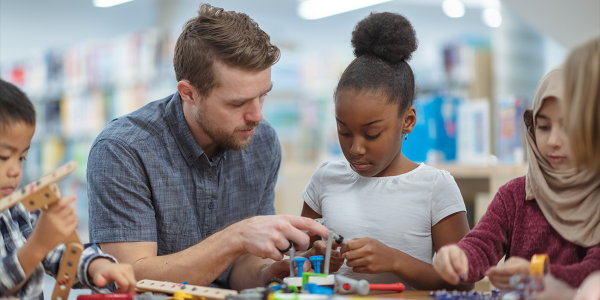
Belonging is created not only in schools and families but also throughout communities.
Communities can support migrant children by creating opportunities for:
- Cultural exchange
- Youth activities
- Sports and recreation
- Community events
- Social connections
When communities celebrate diversity, children are more likely to see their backgrounds as valuable contributions.
Inclusion is not simply about allowing differences to exist. It is about creating environments where differences are welcomed and respected.
Language Support Benefits Everyone
Supporting multilingual children benefits entire societies.
Children who maintain their languages while learning new ones contribute to more connected and culturally aware communities.
Multilingual abilities can strengthen:
- International communication
- Economic opportunities
- Cultural understanding
- Collaboration across communities
A child’s language is not only a personal resource—it can become a bridge between people.
Policies That Support Linguistic and Cultural Inclusion
Governments and organizations play an important role in ensuring migrant children receive meaningful support.
Inclusive policies can promote:
- Equal access to education
- Language learning opportunities
- Protection from discrimination
- Support for culturally diverse classrooms
- Resources for migrant families
Policies should recognize that successful integration does not require children to erase their identities.
The goal is participation without losing connection to heritage.
Belonging Does Not Require Forgetting
For children affected by migration, belonging is not about replacing one identity with another.
It is about creating space for every part of who they are.
A child can:
- Speak multiple languages
- Celebrate multiple traditions
- Connect with multiple communities
- Build a future shaped by different experiences
This ability to move between cultures is not a weakness. It is a valuable part of growing up in an interconnected world.
Creating Communities Where Every Child Can Thrive
Language, identity, and belonging are deeply connected. When children feel confident expressing themselves, respected for their backgrounds, and welcomed in their communities, they are better able to learn, grow, and contribute.
Supporting migrant children requires more than teaching a new language or helping them adapt to a new school system. It requires recognizing the whole child—their history, culture, dreams, and potential.
A world where children’s rights transcend borders is a world where every child can bring their full identity into their new community.
By protecting heritage while creating opportunities for connection, societies can help children not only adjust to change but truly thrive within it.