
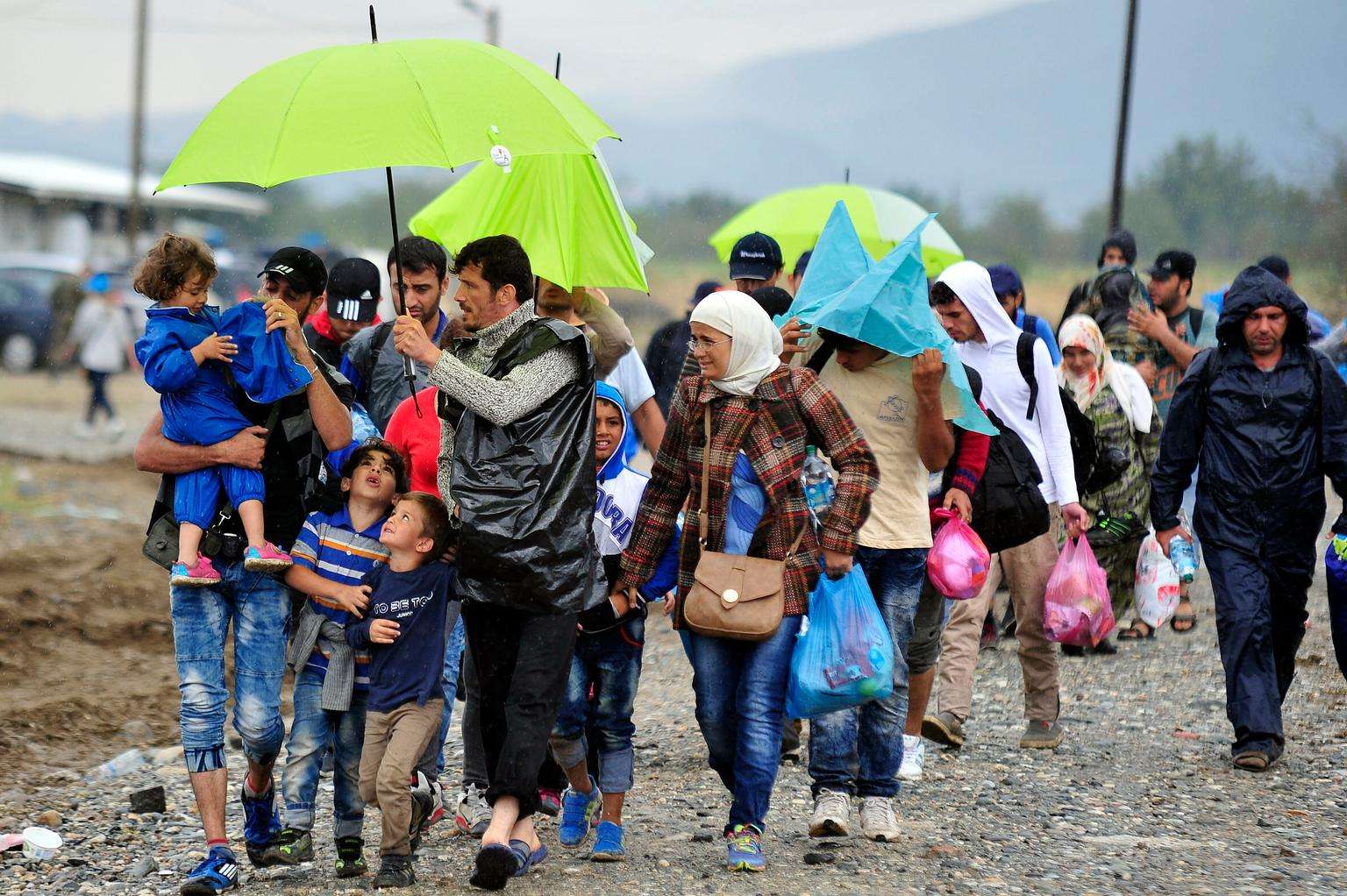
For millions of children around the world, migration is not simply a change of location—it is a life-changing experience that reshapes their education, relationships, identity, and sense of belonging. Some move with their families in search of better opportunities, while others are displaced by conflict, environmental disasters, economic hardship, or political instability. Many undertake journeys filled with uncertainty, leaving behind familiar communities, schools, languages, and routines.
Regardless of why children move, one principle remains universal: every child deserves safety, dignity, education, and the opportunity to thrive.
As migration becomes an increasingly global reality, governments, communities, educators, and organizations face an important responsibility. Children’s rights cannot stop at national borders. Protecting every child’s well-being requires international cooperation, inclusive policies, and a shared commitment to ensuring that no child is left behind because of where they were born or where their journey takes them.
Childhood in Motion: A Growing Global Reality
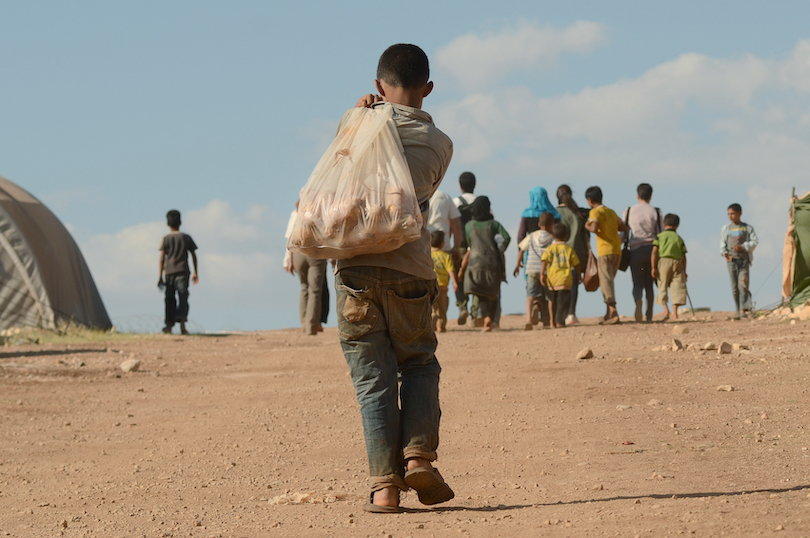
Migration has become a defining feature of the modern world. Families relocate for many reasons, including employment, education, family reunification, environmental challenges, and the search for safety.
Children on the move may include:
- Refugees fleeing conflict or persecution
- Children seeking asylum
- Internally displaced children
- Children migrating with their families
- Unaccompanied or separated children
- Children relocating because of climate-related events
- Young people moving for educational opportunities
Each child’s experience is unique, but migration often brings profound changes during some of the most important stages of development.
Understanding these experiences is essential for creating systems that protect children’s rights wherever they are.
Migration Changes More Than Geography
Moving to a new country or community affects nearly every aspect of a child’s life.
Migration can influence:
- Daily routines
- Friendships
- Language development
- Educational opportunities
- Family dynamics
- Emotional well-being
- Cultural identity
For many children, migration involves adapting to unfamiliar environments while processing significant life changes at the same time.
Although these transitions can present challenges, they can also foster resilience, cultural awareness, and valuable life skills when children receive appropriate support.
Education: More Than Access to School
Education is one of the most important foundations for a child’s future.
Yet migration can interrupt learning in many ways.
Children may experience:
- Gaps in schooling
- Differences between education systems
- Language barriers
- Delayed enrollment
- Limited access to educational resources
- Difficulty transferring academic records
Even after entering a new school, children often face the challenge of adapting to different teaching methods, classroom expectations, and social environments.
Inclusive education goes beyond simply providing a place in the classroom.
It also means ensuring that children have the support they need to participate, learn, and feel that they belong.
Schools that provide language assistance, culturally responsive teaching, and welcoming environments can make a significant difference in helping children rebuild stability.
Identity Across Borders
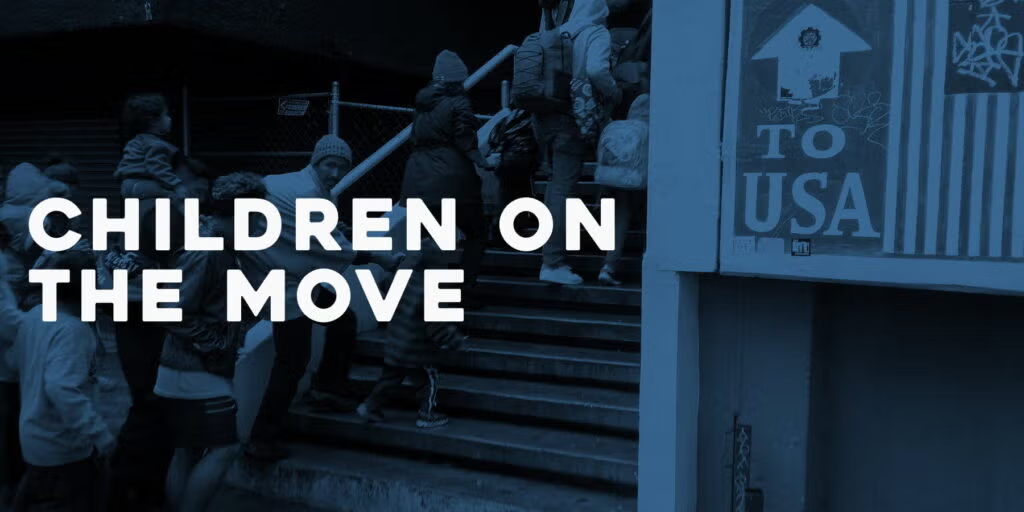
Migration often shapes how children understand themselves.
Many grow up navigating multiple cultures, languages, and traditions simultaneously.
This multicultural experience can become a source of strength, allowing children to develop:
- Cultural awareness
- Adaptability
- Empathy
- Multilingual communication skills
- Broader perspectives
At the same time, balancing different identities can sometimes create uncertainty.
Children may wonder:
- Where do I belong?
- Which language should I speak?
- How can I honor my family’s culture while adapting to a new one?
Supportive families, schools, and communities help children understand that identity does not have to be limited to one place. Belonging can extend across cultures and borders.
The Emotional Impact of Migration
Migration often involves significant emotional adjustment.
Children may experience a range of feelings, including:
- Excitement about new opportunities
- Sadness after leaving familiar places
- Anxiety about the future
- Loneliness while making new friends
- Uncertainty during periods of transition
Some children have also experienced difficult circumstances before or during migration, including displacement, separation from loved ones, or prolonged instability.
Psychological support can play an important role in helping children process these experiences.
Providing safe spaces to express emotions, build relationships, and regain a sense of routine contributes to healthy development.
Emotional well-being should be recognized as an essential part of child protection, not an afterthought.
Why Children’s Rights Must Surpass Borders
Children do not lose their rights when they cross a border.
Every child deserves access to fundamental protections regardless of nationality, migration status, language, or legal circumstances.
These rights include:
- Protection from violence and exploitation
- Access to education
- Healthcare
- Family unity whenever possible
- Safe living conditions
- Opportunities for participation and development
When these rights are applied consistently, children are better able to recover from disruption and build positive futures.
Protecting children’s rights across borders reflects a shared commitment to human dignity rather than a response limited by geography.
The Importance of International Cooperation
Migration is a global issue that cannot be addressed by individual countries acting alone.
International cooperation helps create more consistent approaches to protecting children through:
- Cross-border child protection systems
- Information sharing
- Educational collaboration
- Family reunification efforts
- Coordinated social services
- Shared humanitarian responses
Working together allows countries to respond more effectively to children’s needs while promoting fairness and continuity during periods of transition.
Collaboration also helps reduce gaps that may leave vulnerable children without access to essential services.
The Role of Schools in Building Belonging
Schools are often among the first places where children begin rebuilding their lives after migration.
Educators have an important opportunity to create environments where every student feels welcomed and respected.
Inclusive schools may:
- Support multilingual learning
- Celebrate cultural diversity
- Prevent bullying and discrimination
- Encourage peer inclusion
- Provide emotional support
- Engage families in the learning process
When children feel accepted in school, they are more likely to develop confidence, form friendships, and participate fully in their education.
Education becomes not only a path to knowledge but also a bridge to belonging.
Communities Make a Difference
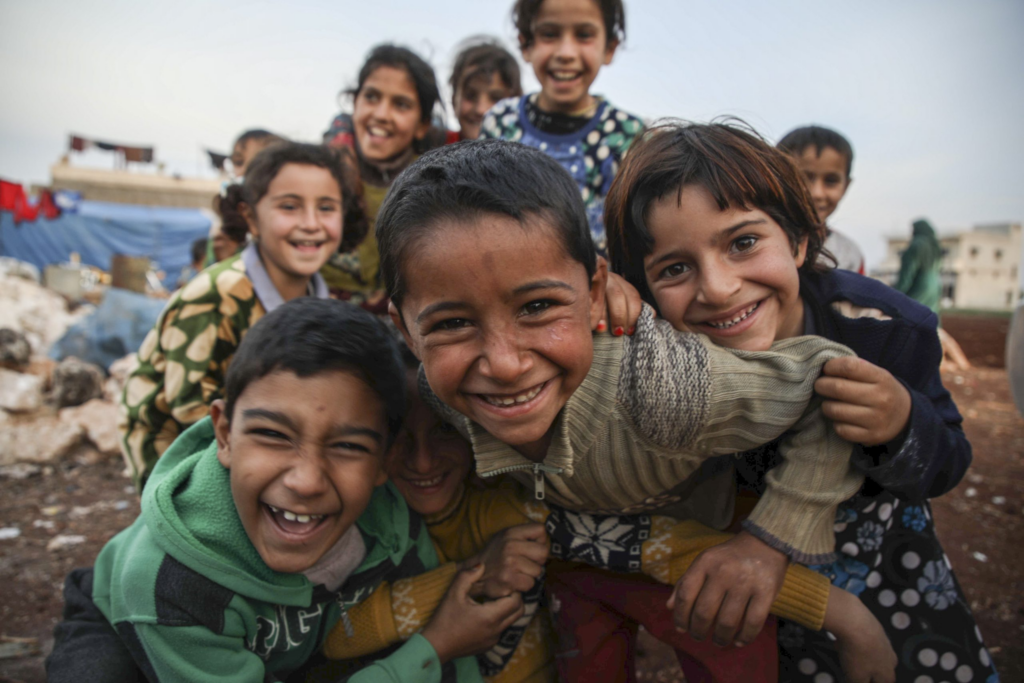
Successful integration is not achieved through policy alone.
Communities play a vital role in helping children feel safe and connected.
Local organizations, volunteers, sports clubs, libraries, cultural centers, and youth programs can create opportunities for children to:
- Build friendships
- Practice new languages
- Explore their interests
- Maintain cultural connections
- Develop confidence
Simple acts of inclusion can have lasting effects on a child’s sense of security and self-worth.
Communities become stronger when every child has the opportunity to participate.
Listening to Children’s Voices
Children are often the focus of migration discussions, yet their own perspectives are not always included.
Listening to children helps adults better understand:
- Their concerns
- Their hopes
- Their experiences in education
- Their social challenges
- Their ideas for improving support systems
Meaningful participation recognizes children as active contributors rather than passive recipients of assistance.
Policies and programs are often more effective when informed by children’s lived experiences.
Building Policies That Put Children First
Child-centered policies recognize that every decision affecting migration should consider children’s best interests.
Effective approaches may include:
Ensuring Equal Access to Education
Children should be able to continue learning as quickly as possible after relocation, regardless of their migration status.
Supporting Mental Health and Well-Being
Access to psychological services, trained professionals, and trauma-informed support helps children navigate periods of uncertainty and change.
Strengthening Child Protection Systems
Governments and organizations should work together to identify risks early and ensure children receive appropriate care and protection.
Promoting Family Stability
Whenever possible, policies should support family unity and reduce unnecessary separation during migration processes.
Encouraging Social Inclusion
Programs that foster language learning, cultural exchange, and community participation help children build meaningful connections in their new environments.
A Shared Responsibility Across Borders
Protecting children on the move is not the responsibility of one nation, one institution, or one community alone.
Governments, schools, healthcare providers, civil society organizations, families, and local communities all play important roles in ensuring that children’s rights are respected wherever they are.
International cooperation strengthens these efforts by encouraging shared standards, coordinated responses, and long-term investment in children’s development.
When countries work together, they create stronger systems capable of supporting children through every stage of their journey.
Every Child Deserves a Future Without Borders
Migration may change where a child lives, the language they speak, or the community they call home, but it should never diminish their rights or their opportunities. Every child deserves to grow up in an environment where they are protected, educated, heard, and empowered to reach their full potential.
Recognizing that children’s rights transcend borders is more than a legal or political principle—it is a reflection of our shared humanity. By placing children’s well-being at the center of migration policies, educational systems, and international cooperation, societies can create pathways toward greater inclusion, resilience, and hope.
A child’s future should never be determined by the borders they cross. It should be shaped by the commitment of people and institutions working together to ensure that every child, everywhere, has the chance to learn, belong, and thrive.