
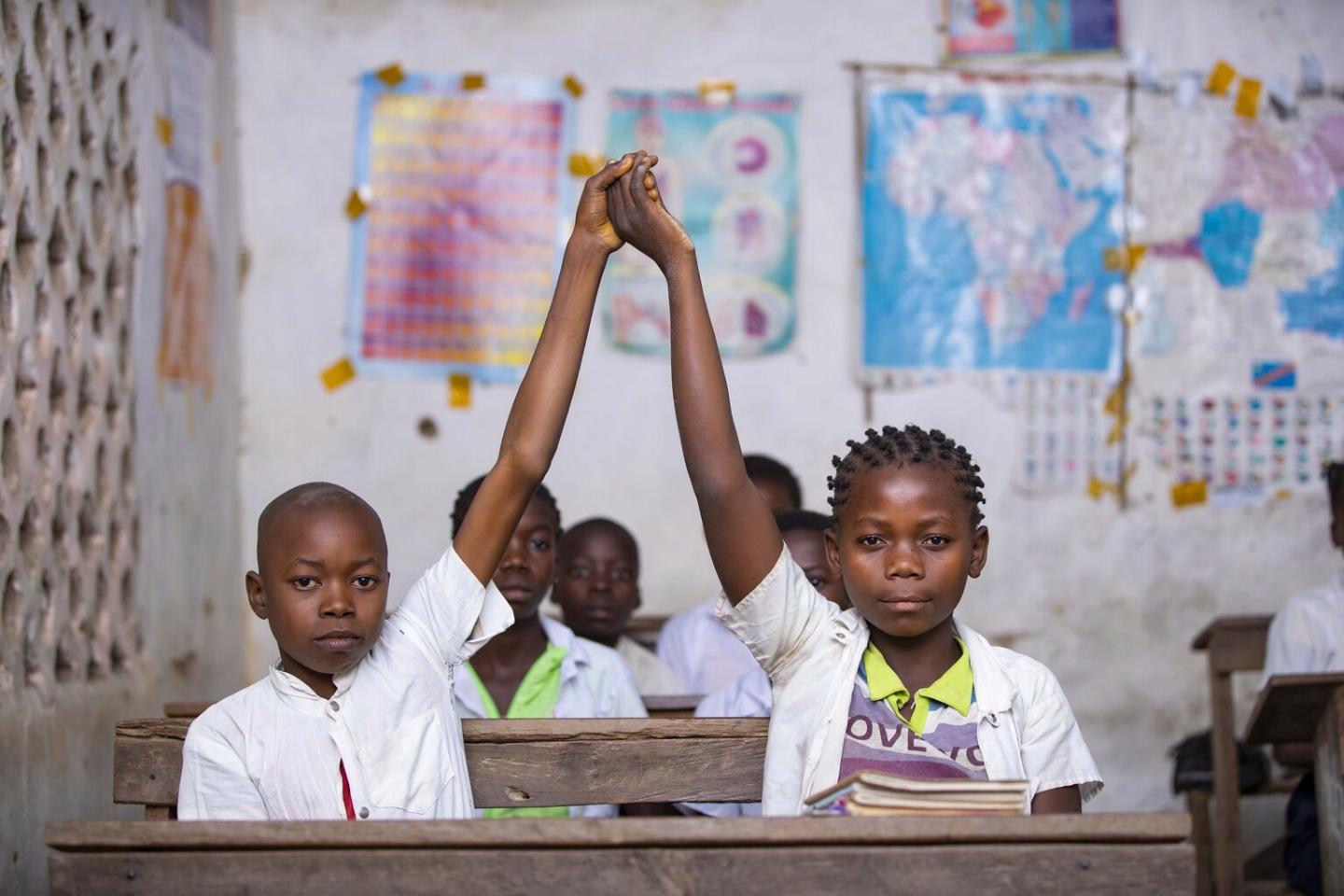
For children affected by migration, entering a new school is often one of the most important steps in rebuilding a sense of stability. A classroom can become more than a place for academic learning—it can become a space where children form friendships, regain confidence, discover their strengths, and begin to feel connected to a new community.
However, adjusting to a new school environment can also bring challenges. Migrant children may face unfamiliar languages, different education systems, cultural differences, and the fear of being excluded or misunderstood. Their experiences before migration may also affect how they respond to change and build relationships.
Schools have a unique responsibility and opportunity to support these children. By creating safe and inclusive learning environments, educators can reduce discrimination, strengthen belonging, and help every child reach their full potential.
Why Schools Matter for Children on the Move
School is one of the first institutions many migrant children encounter after arriving in a new community.
Beyond academic learning, schools provide:
- Stability and routine
- Relationships with supportive adults
- Opportunities for friendship
- Social and emotional development
- A connection to the wider community
For children experiencing major life changes, a welcoming school can provide a sense of normality.
A consistent classroom environment helps children understand that they are not defined only by their migration experience. They are students, friends, creators, and individuals with unique abilities and aspirations.
The Challenges Migrant Children May Face in Schools
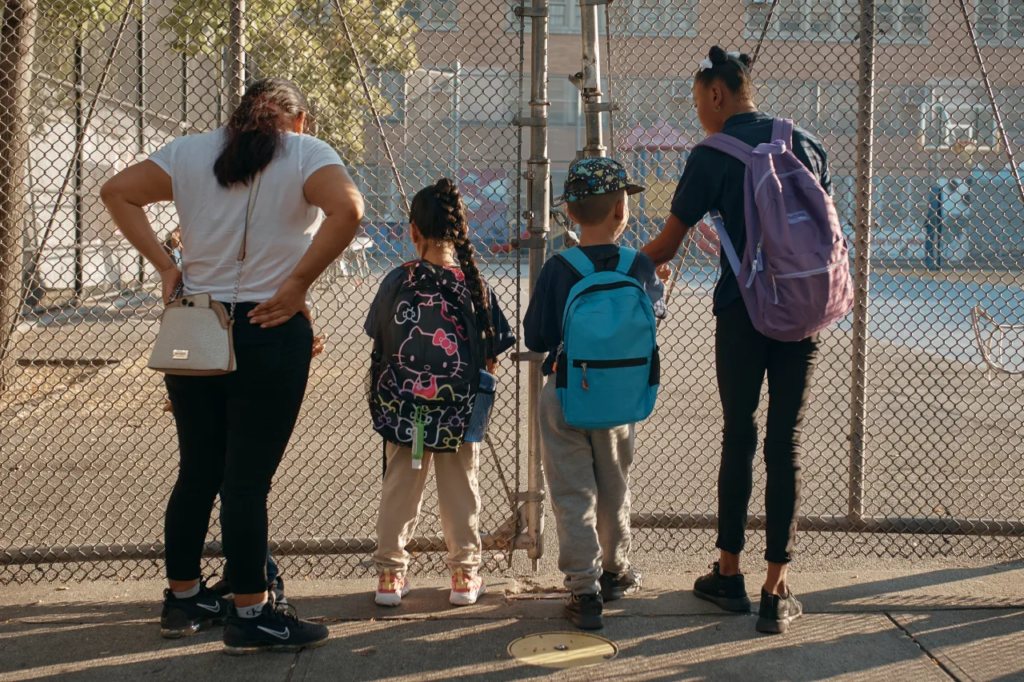
Although education can be a powerful source of support, migrant children may encounter barriers that make adjustment difficult.
Common challenges include:
- Learning a new language
- Adapting to different teaching methods
- Understanding unfamiliar school routines
- Missing previous friends and communities
- Experiencing cultural misunderstandings
- Facing stereotypes or discrimination
- Feeling pressure to hide parts of their identity
These challenges can affect both academic progress and emotional well-being.
A child who struggles with language, for example, may be mistakenly viewed as less capable when the real issue is a communication barrier.
Inclusive schools recognize the difference between a child’s abilities and the obstacles they face.
Creating a Culture of Belonging
Belonging is one of the most important elements of a positive school experience.
Children are more likely to learn and participate when they feel:
- Accepted
- Respected
- Safe
- Valued
- Connected
Schools build belonging by creating environments where every student knows they matter.
This involves more than welcoming new students on their first day. It requires ongoing efforts to ensure inclusion becomes part of everyday school life.
A culture of belonging can be built through:
- Respectful classroom interactions
- Inclusive teaching materials
- Student support programs
- Cultural awareness activities
- Positive relationships between teachers and students
When children feel they belong, they are better prepared to succeed.
Reducing Discrimination and Challenging Stereotypes
Migrant children may experience discrimination because of their nationality, language, culture, or migration background.
Even small acts of exclusion can have lasting effects on a child’s confidence and sense of safety.
Schools play an important role in preventing discrimination by actively promoting respect.
Educators can help by:
Teaching Respect for Diversity
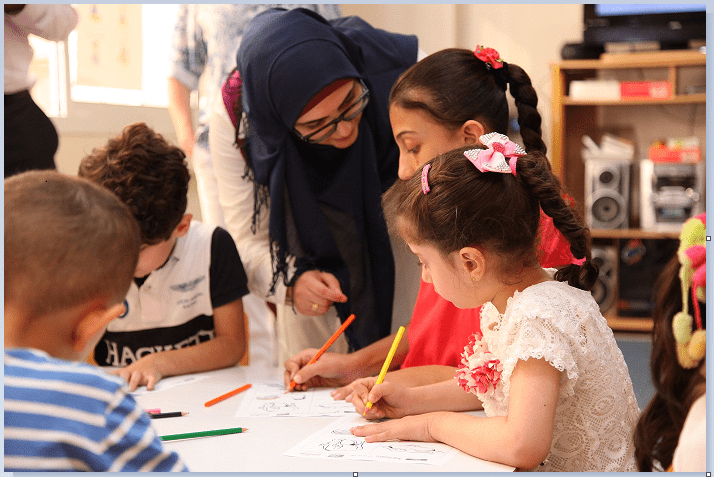
Students benefit from learning about different cultures, histories, and perspectives.
Education about diversity helps children understand differences as opportunities for learning rather than reasons for separation.
Addressing Bias Directly
Ignoring discrimination does not make it disappear.
Schools should respond clearly to:
- Racist behavior
- Bullying
- Cultural stereotypes
- Exclusionary language
Students need to understand that respect is an essential part of the learning environment.
Creating Equal Opportunities
Every student should have access to participation, leadership opportunities, and academic support.
Inclusion means ensuring that migrant children are not only present in classrooms but actively included in school life.
Supporting Language Development
Language is often one of the first challenges migrant children experience.
A child who is learning a new language may understand ideas but struggle to express them.
Effective language support helps students participate confidently while respecting their existing linguistic abilities.
Schools can support multilingual learners through:
- Additional language instruction
- Classroom language support
- Peer learning opportunities
- Visual learning tools
- Multilingual communication with families
Importantly, schools should recognize that a child’s first language is an asset.
Maintaining a home language supports identity, family relationships, and cognitive development.
Teachers as Trusted Support Figures
Teachers often become some of the most important adults in a migrant child’s new environment.
A supportive teacher can influence how a child experiences school and adapts to change.
Educators can support migrant students by:
- Building trusting relationships
- Learning about students’ backgrounds
- Showing patience during adjustment
- Encouraging participation
- Recognizing individual strengths
A teacher’s approach can help transform uncertainty into confidence.
Children are more likely to engage when they feel that their experiences are understood and respected.
Trauma-Informed Approaches in Education
Some migrant children arrive at school after experiencing difficult circumstances, including displacement, instability, or loss.
Not every migrant child has experienced trauma, but educators should understand that past experiences can influence behavior and learning.
Trauma-informed schools focus on:
- Emotional safety
- Predictable routines
- Supportive communication
- Understanding individual needs
- Positive relationships
Instead of asking why a child is behaving a certain way, educators consider what experiences may be influencing that behavior.
This approach helps schools respond with support rather than judgment.
Building Friendships and Peer Connections
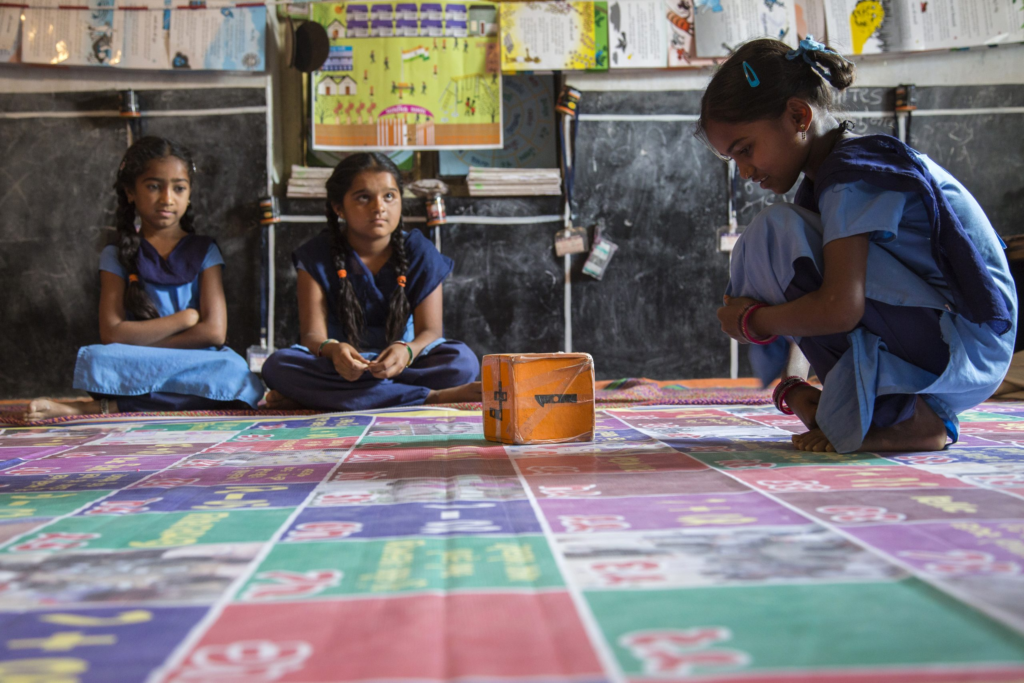
Friendships are essential to childhood development.
For migrant children, positive relationships with classmates can make the difference between feeling isolated and feeling accepted.
Schools can encourage connections through:
- Buddy programs
- Group activities
- Collaborative learning
- Sports and clubs
- Student-led inclusion initiatives
Peer relationships help children practice language skills, understand social expectations, and develop confidence.
A welcoming class community benefits all students by encouraging cooperation and empathy.
Partnering With Families
Families play a crucial role in children’s educational success.
However, migrant families may face barriers when engaging with schools, including:
- Language differences
- Unfamiliar education systems
- Limited access to information
- Work and scheduling challenges
Schools can strengthen partnerships by:
- Providing translated communication
- Creating welcoming family events
- Offering flexible meeting options
- Respecting cultural differences
- Sharing clear information about school processes
When families feel included, children receive stronger support both at home and at school.
Supporting Mental and Emotional Well-Being
Academic success is closely connected to emotional health.
Migrant children may need support as they adjust to new environments, relationships, and expectations.
Schools can promote well-being by providing:
- Trusted adults to talk to
- Counseling services
- Safe spaces
- Emotional learning programs
- Opportunities for creative expression
Supporting mental health helps children develop confidence and resilience.
A child who feels emotionally secure is better able to focus on learning and building relationships.
The Long-Term Impact of Inclusive Schools
The benefits of inclusive education extend far beyond childhood.
When schools support migrant children, they help create adults who are more likely to:
- Participate positively in society
- Continue their education
- Contribute to communities
- Build cross-cultural understanding
- Support inclusive values
At the same time, all students benefit from learning in diverse environments.
Inclusive schools prepare children for a world where cooperation across cultures is increasingly important.
Schools as Foundations for Global Citizenship
Migration has made classrooms more diverse than ever before.
This diversity creates an opportunity for schools to teach lessons that extend beyond textbooks.
Students can learn:
- Respect for different perspectives
- The importance of human rights
- The value of cooperation
- The strength of cultural diversity
A classroom that welcomes every child becomes a foundation for a more inclusive society.
Building Schools Where Every Child Belongs
Schools have the power to change how children experience migration.
For a child entering a new community, a supportive teacher, a welcoming classroom, and a new friendship can create a sense of safety during a time of uncertainty.
Building inclusive schools requires commitment from educators, families, communities, and policymakers. It requires recognizing that every child brings valuable experiences, languages, and perspectives into the classroom.
Migrant children should not have to overcome exclusion before they can access opportunity.
A truly inclusive school is one where every child—regardless of birthplace, language, or migration journey—feels protected, respected, and empowered to learn.
When schools become places of belonging, they do more than educate children. They help build communities where every child has the opportunity to thrive.