
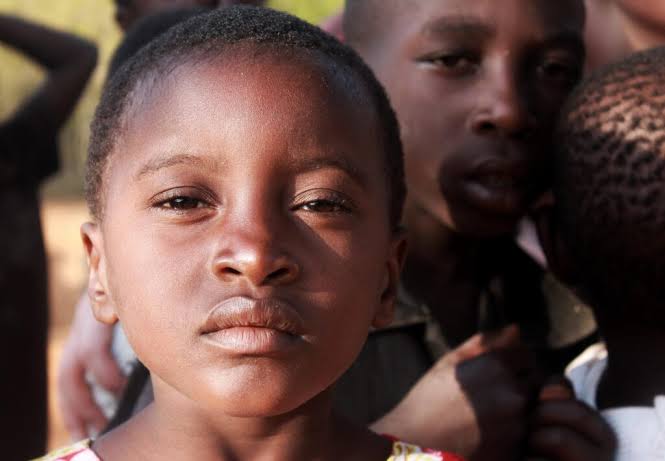
Migration can open doors to new opportunities, safer environments, and better futures. Yet for many children, the journey also involves uncertainty, loss, and major life changes that can affect their emotional well-being.
Children affected by migration may experience the loss of familiar homes, separation from loved ones, disrupted education, cultural adjustment, and uncertainty about the future. Some may also have experienced conflict, displacement, poverty, or other difficult circumstances before moving.
While children can demonstrate remarkable resilience, resilience does not mean that children are unaffected by challenges. It means they have access to the relationships, resources, and support needed to recover and continue developing.
Mental health support is therefore a vital part of protecting children on the move. Supporting emotional recovery helps children rebuild confidence, strengthen relationships, and develop a sense of safety and belonging in their new environments.
The Emotional Impact of Migration on Children
Migration affects children differently depending on their age, experiences, family situation, and the reasons behind the move.
For some children, migration may be an exciting transition. They may look forward to new schools, friendships, and opportunities.
For others, migration may involve significant emotional challenges.
Children may experience:
- Fear about unfamiliar environments
- Sadness about leaving home
- Grief over lost relationships
- Anxiety about the future
- Difficulty adjusting to new routines
- Feelings of isolation or not belonging
These emotions are normal responses to significant change.
Children often process migration differently from adults because they are still developing their understanding of the world. A child may not fully understand why they had to leave their home, why circumstances changed, or how long uncertainty will last.
Providing emotional support helps children make sense of their experiences.
When Migration Involves Trauma
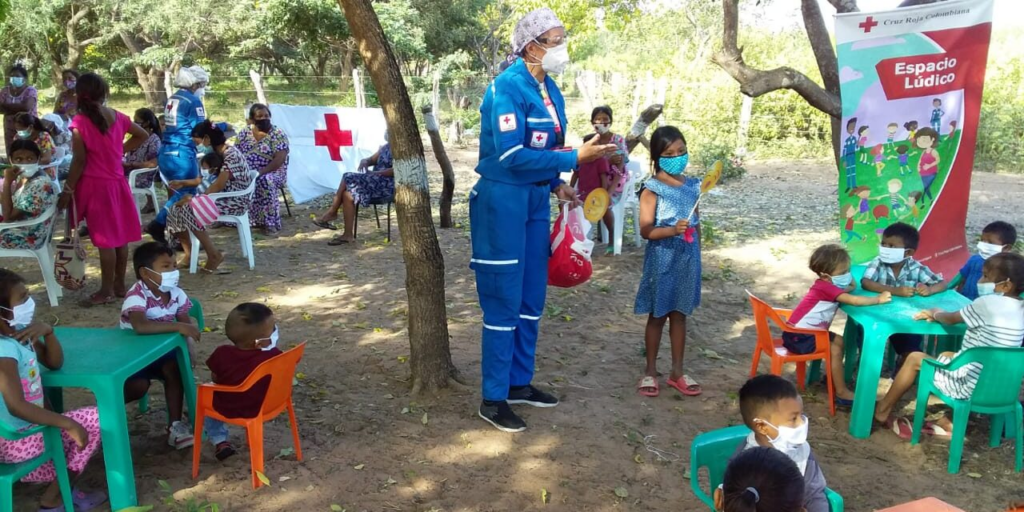
Not every child who migrates experiences trauma. However, some children face situations that can deeply affect their sense of safety.
Children may experience traumatic events related to:
- Armed conflict
- Violence
- Family separation
- Forced displacement
- Unsafe living conditions
- Loss of loved ones
- Prolonged uncertainty
Trauma can affect how children think, feel, behave, and interact with others.
Possible signs that a child may be struggling include:
- Withdrawal from activities
- Difficulty sleeping
- Increased fear or anxiety
- Problems concentrating
- Changes in behavior
- Emotional outbursts
- Loss of interest in things they previously enjoyed
Recognizing these signs allows families, educators, and communities to provide appropriate support.
Understanding Trauma-Informed Care
Trauma-informed care is an approach that recognizes how difficult experiences can influence a person’s emotional and behavioral responses.
Instead of asking, “What is wrong with this child?” trauma-informed approaches ask:
“What has this child experienced, and what support do they need?”
This perspective changes how adults respond to children’s behavior.
A trauma-informed environment focuses on:
- Safety
- Trust
- Respect
- Choice
- Collaboration
- Emotional understanding
For children affected by migration, trauma-informed care creates spaces where they feel protected and understood.
Creating a Sense of Safety
Safety is one of the most important foundations of emotional recovery.
Children need to know that their new environment is predictable and supportive.
Adults can create safety by:
- Establishing consistent routines
- Explaining changes clearly
- Providing reliable support
- Listening without judgment
- Creating welcoming spaces
Small moments of stability can have a powerful impact.
A familiar routine at school, a supportive conversation with a caregiver, or a trusted adult who listens can help children regain confidence.
The Role of Families in Emotional Recovery
Families often provide children’s strongest source of emotional security during migration.
Caregivers can support children by:
Encouraging Open Communication
Children need opportunities to express their feelings and ask questions.
Adults can help by creating conversations where children feel comfortable sharing worries, hopes, and experiences.
Maintaining Familiar Connections
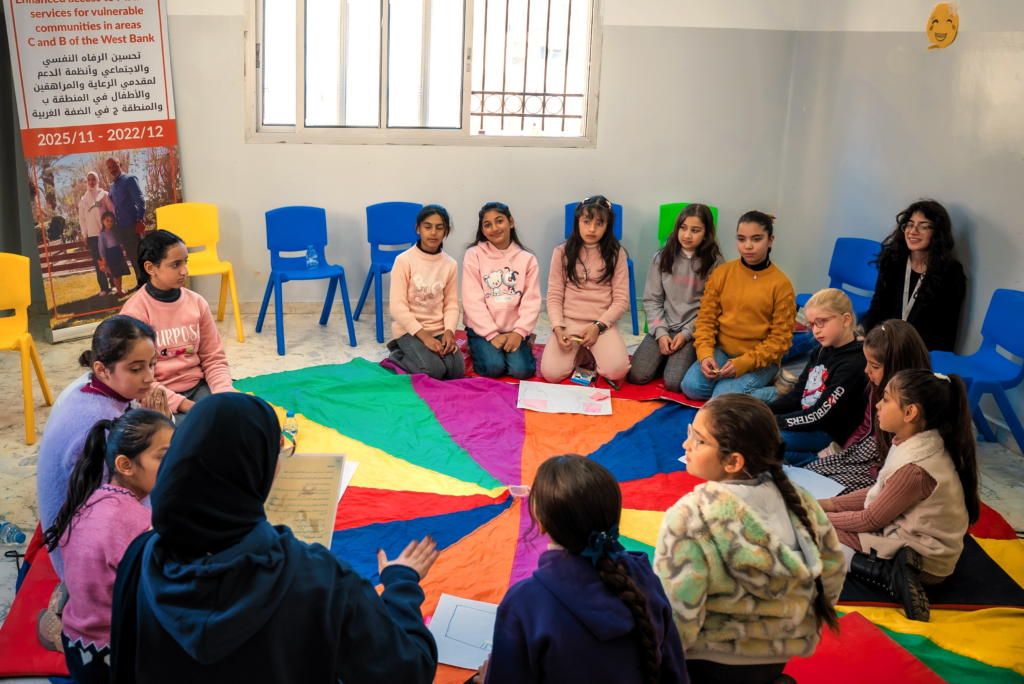
Cultural traditions, family routines, and familiar languages can help children maintain a sense of identity during change.
These connections remind children that migration does not erase their past.
Recognizing Children’s Individual Experiences
Children within the same family may experience migration differently.
One child may adapt quickly, while another may need more time and support.
Understanding these differences helps families respond to each child’s needs.
Schools as Safe Spaces for Healing
Schools often become one of the most important support systems for children affected by migration.
A classroom provides:
- Routine
- Friendship opportunities
- Learning experiences
- Positive relationships with adults
- A sense of belonging
Teachers may be among the first people outside the family to notice when a child is struggling.
Supportive schools can help by:
- Creating inclusive classrooms
- Encouraging peer connections
- Offering emotional support
- Recognizing cultural backgrounds
- Providing access to specialized services when needed
Education and mental health are closely connected. Children learn best when they feel safe and supported.
Teachers and the Importance of Understanding
Teachers do not need to become mental health professionals to support migrant children.
However, understanding the effects of migration can help educators respond more effectively.
Helpful practices include:
- Showing patience during adjustment periods
- Avoiding assumptions about children’s experiences
- Encouraging participation
- Building trust gradually
- Recognizing individual strengths
A teacher’s understanding and compassion can influence how a child experiences their new environment.
Community Support and the Power of Belonging
Mental health recovery does not happen only through formal services.
Communities also play an important role in helping children feel connected.
Community support can include:
- Youth activities
- Sports programs
- Cultural organizations
- Mentorship opportunities
- Social events
- Support networks for families
Positive relationships help children understand that they are not alone.
Belonging is a powerful protective factor that supports emotional well-being.
The Importance of Access to Mental Health Services
Some children may need specialized mental health support to process difficult experiences.
Accessible services should consider the unique needs of children affected by migration.
Effective support may include:
- Child-friendly counseling
- Language interpretation
- Culturally sensitive approaches
- Family involvement
- School-based mental health programs
Services should be designed to reduce barriers and ensure that children receive support regardless of their background or migration status.
Supporting Children Without Defining Them by Their Experiences
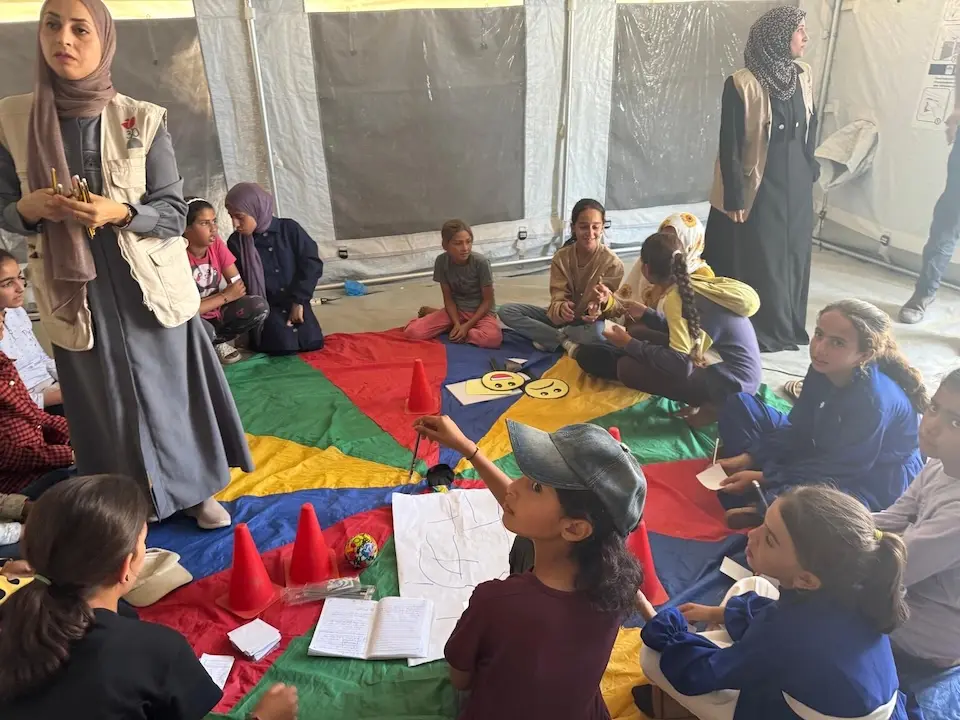
It is important to recognize children as more than their migration stories.
A child who has experienced displacement is not defined only by hardship.
Children affected by migration also have:
- Strengths
- Interests
- Talents
- Dreams
- Friendships
- Future goals
Support should focus not only on what children have experienced but also on what they can become.
A balanced approach recognizes challenges while encouraging growth and possibility.
Building Resilient Children Through Connection
Resilience develops through relationships and supportive environments.
Children are more likely to recover and adapt when they have:
- Caring adults
- Stable routines
- Opportunities to learn
- Safe spaces to express themselves
- Positive friendships
- A sense of belonging
Resilience is not something children must create alone.
It is built through the support systems surrounding them.
Why Mental Health Support Is a Child Rights Issue
Mental health is an essential part of children’s overall development.
Protecting children’s rights means protecting not only their physical safety but also their emotional well-being.
Every child deserves:
- The opportunity to recover from difficult experiences
- Access to supportive relationships
- A safe environment for development
- Respect for their identity and feelings
Mental health support should be recognized as a fundamental part of child protection.
Creating a Future Where Every Child Can Heal and Thrive
Migration can change a child’s world, but it should not determine whether they have the opportunity to grow, recover, and succeed.
Families, schools, communities, governments, and international organizations all have a role in creating environments where children feel safe and supported.
By using trauma-informed care, strengthening emotional support systems, and recognizing children’s individual strengths, societies can help children affected by migration move beyond survival toward genuine well-being.
Every child deserves more than protection from harm. Every child deserves the opportunity to heal, belong, and imagine a hopeful future—wherever their journey begins or leads.