
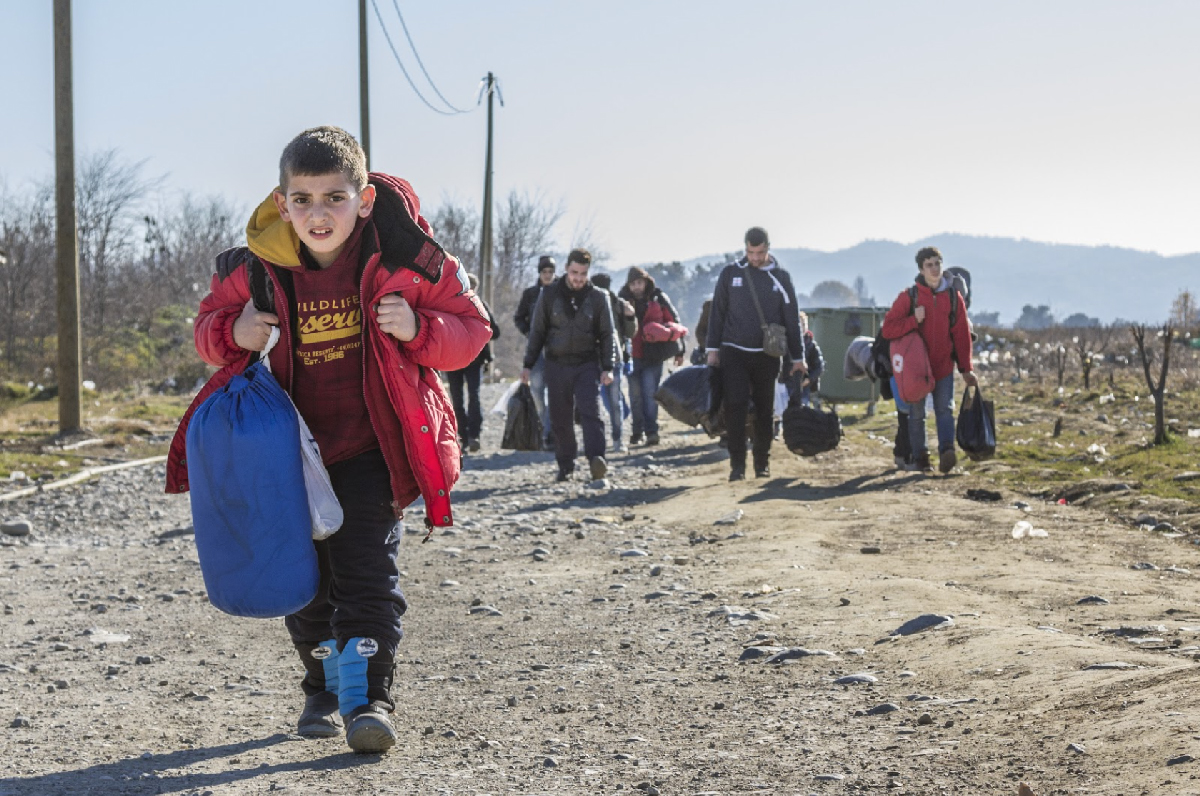
Childhood is often associated with stability: familiar homes, supportive relationships, education, play, and the freedom to imagine the future. Yet for millions of children around the world, childhood is interrupted by circumstances beyond their control.
Conflict, climate change, and poverty are among the most powerful forces driving families to leave their homes in search of safety, opportunity, and a better future. While migration can provide a pathway toward protection and hope, the journey often creates new challenges for children who are still developing emotionally, socially, and physically.
Children do not choose the circumstances that force migration, but they experience the consequences deeply. Understanding why children move and the vulnerabilities they face is essential for creating child-centered solutions that protect their rights across borders.
Why Children Migrate: The Global Forces Behind Movement
Migration is a complex process influenced by many factors. Families often move because staying has become unsafe, unsustainable, or impossible.
The major forces driving child migration include:
- Armed conflict and violence
- Climate-related disasters
- Economic insecurity and poverty
- Lack of access to essential services
- Political instability
- Family reunification
- Search for education and opportunities
Behind every migration statistic is a family making difficult decisions about safety, survival, and the future.
For children, these decisions can reshape every part of their lives.
Conflict and War: When Safety Becomes Uncertain
Conflict is one of the most visible causes of forced migration.
Children living in conflict-affected areas may experience:
- Violence and insecurity
- Destruction of homes and schools
- Separation from family members
- Loss of community connections
- Interrupted education
- Psychological distress
For children, conflict changes the environment they depend on for healthy development.
A home may no longer feel safe. A school may no longer be accessible. Familiar routines may disappear overnight.
Migration can become a necessary step toward protection, but displacement itself creates additional challenges.
The Psychological Impact of Conflict on Children
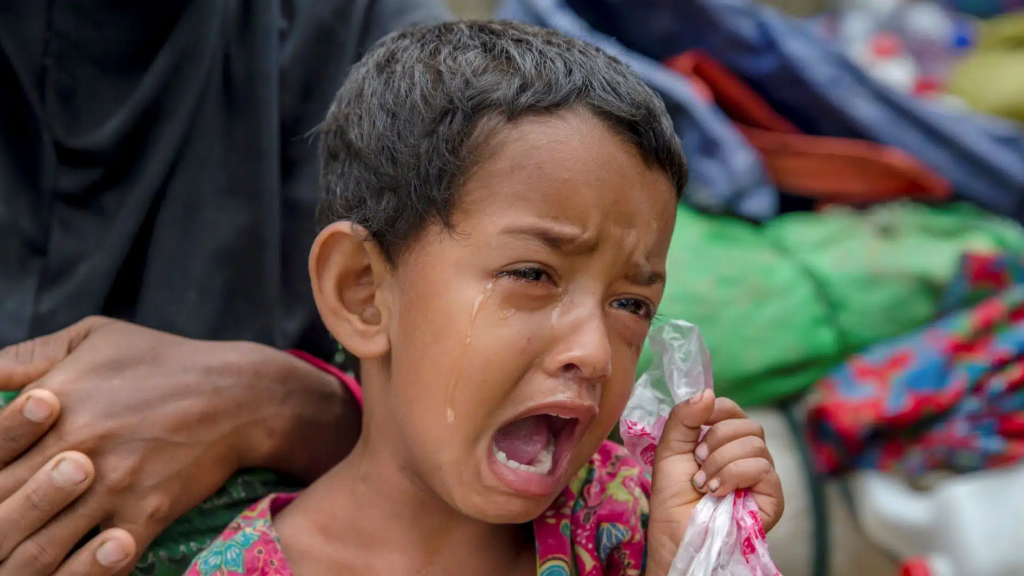
Children exposed to conflict may carry emotional effects long after reaching a safer location.
They may experience:
- Fear
- Anxiety
- Grief
- Difficulty trusting others
- Problems concentrating
- Feelings of uncertainty
Children process traumatic experiences differently depending on their age, personality, support systems, and available resources.
Strong relationships with caregivers, educators, and community members can help children recover and rebuild a sense of security.
Protection after displacement must include emotional support, not only physical safety.
Education Disrupted by Conflict
Schools are often among the first institutions affected by conflict.
When education is interrupted, children lose more than academic progress.
They may lose:
- Daily routines
- Friendships
- Supportive teachers
- A sense of normal life
- Opportunities for future development
Education provides stability during periods of uncertainty.
Restoring access to learning for displaced children is one of the most important ways to protect childhood and support long-term recovery.
Climate Change: A Growing Driver of Child Migration
Climate change is increasingly influencing where and how people live.
Rising temperatures, extreme weather events, droughts, flooding, and environmental degradation can make communities difficult or impossible to sustain.
Families may move because of:
- Loss of homes
- Reduced access to food and water
- Damage to livelihoods
- Repeated natural disasters
- Increasing environmental risks
Children are especially vulnerable because they depend on adults and community systems for protection and support.
Climate-related migration is likely to become an increasingly important child rights issue in the coming decades.
How Climate Displacement Affects Children
Climate-related movement can disrupt many aspects of childhood.
Children may face:
- Frequent relocation
- Loss of familiar environments
- Interrupted schooling
- Health risks
- Increased family stress
- Uncertainty about the future
Unlike sudden emergencies, climate-related displacement may happen gradually. Families may slowly lose the ability to remain in their communities as environmental conditions change.
This creates complex challenges for governments and communities planning long-term child protection responses.
Health Risks Linked to Climate Migration
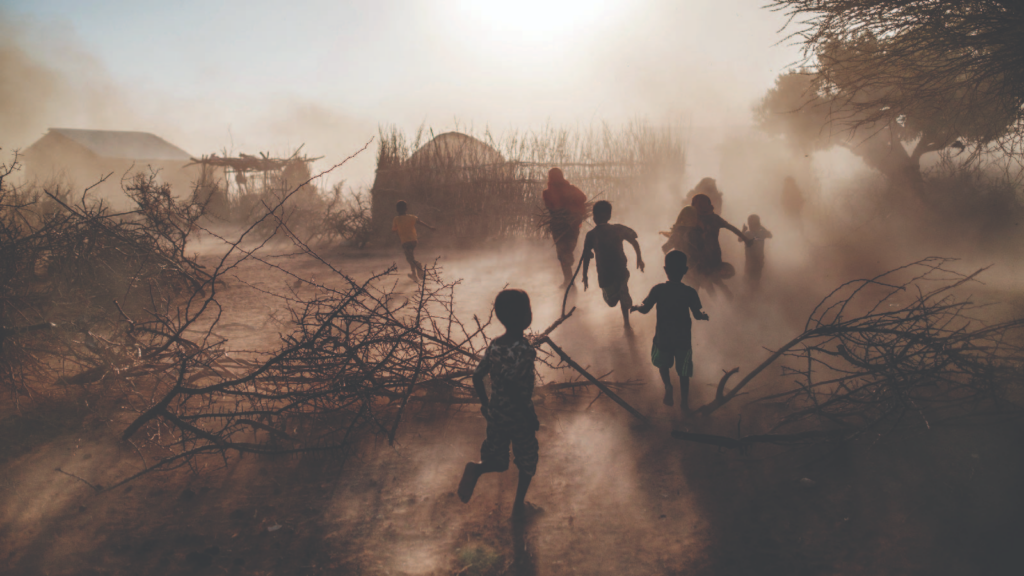
Climate change can directly and indirectly affect children’s health.
Children may experience increased risks from:
- Unsafe water supplies
- Food insecurity
- Extreme heat
- Disease exposure
- Poor living conditions after displacement
Young children are particularly vulnerable because their bodies and immune systems are still developing.
Protecting children affected by climate migration requires coordinated approaches that address healthcare, housing, education, and environmental resilience.
Poverty: Migration in Search of Opportunity
Poverty is another major factor influencing family migration.
Families may move because they struggle to access:
- Stable employment
- Quality education
- Healthcare
- Safe housing
- Basic necessities
Economic migration is often driven by hope—the hope of creating better opportunities for children.
Parents may make difficult decisions to move because they believe a new location will provide their children with greater possibilities.
However, poverty does not disappear simply because a family relocates.
The Challenges Faced by Children Migrating Due to Poverty
Children from economically vulnerable families may face challenges before, during, and after migration.
These can include:
- Limited access to education
- Housing insecurity
- Pressure to support family income
- Social exclusion
- Barriers to healthcare
- Increased risk of exploitation
Children in vulnerable economic situations may be forced to take on responsibilities beyond their age.
Protecting these children requires addressing both immediate needs and the deeper inequalities that create vulnerability.
The Shared Vulnerabilities Across Different Migration Experiences
Although conflict, climate change, and poverty have different causes, children affected by each may experience similar challenges.
Common vulnerabilities include:
- Interrupted education
- Separation from familiar communities
- Emotional stress
- Difficulty accessing services
- Discrimination
- Uncertainty about the future
These shared experiences highlight why migration responses must focus on children as individuals with specific developmental needs.
Children are not simply passengers in migration processes. They are people whose futures are being shaped by these experiences.
The Importance of Child-Centered Protection
Effective responses to child migration begin with one principle: children must be protected first.
Child-centered approaches prioritize:
- Safety
- Education
- Healthcare
- Family support
- Emotional well-being
- Participation in decisions affecting them
Whether a child is displaced by war, climate change, or economic hardship, their rights remain the same.
Protection should not depend on nationality, location, or migration status.
The Role of Governments and International Cooperation
No country can address child migration challenges alone.
Global cooperation is necessary to create systems that support children before, during, and after migration.
Governments and international organizations can work together by:
- Strengthening child protection systems
- Supporting education access
- Improving humanitarian responses
- Protecting children from exploitation
- Developing climate adaptation strategies
- Supporting vulnerable families
Migration is a global reality, and protecting children requires shared responsibility.
Communities as Places of Recovery and Belonging
After migration, communities play a crucial role in helping children rebuild their lives.
Supportive communities provide:
- Welcoming schools
- Safe spaces for children
- Social connections
- Healthcare access
- Cultural inclusion
A child’s ability to adapt depends not only on what they experienced before migration but also on the environment they enter afterward.
A supportive community can help transform displacement into a new beginning.
Protecting Childhood in a Changing World
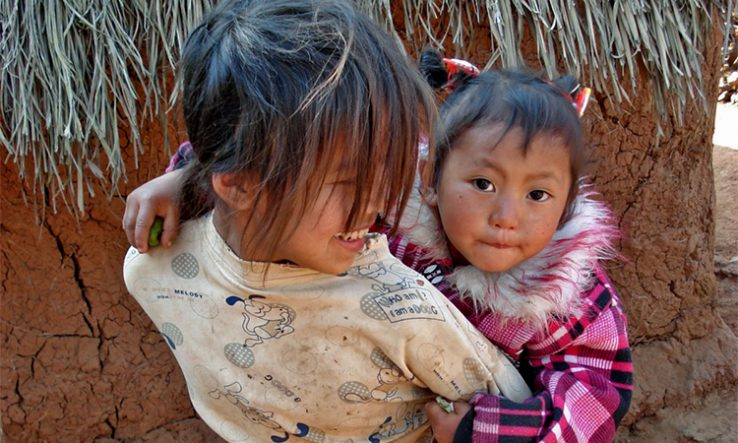
Conflict, climate change, and poverty demonstrate how global challenges can directly affect children’s lives.
These forces may push families to move, but they should not determine whether children have access to safety, education, and opportunity.
The goal of child protection is not only to respond when children are already displaced. It is also to address the conditions that create vulnerability in the first place.
A Future Where Migration Does Not Mean Losing Childhood
Every child deserves the chance to experience childhood as a time of growth, learning, connection, and hope.
Migration may sometimes be necessary for survival or opportunity, but it should not mean losing access to the basic rights every child deserves.
By understanding the forces behind child migration and responding with compassion, cooperation, and child-centered policies, societies can protect children through times of uncertainty.
A child’s birthplace, circumstances, or migration journey should never determine their value or their future.
Every child deserves the opportunity to feel safe, belong, and build a life filled with possibility—wherever their journey leads.