
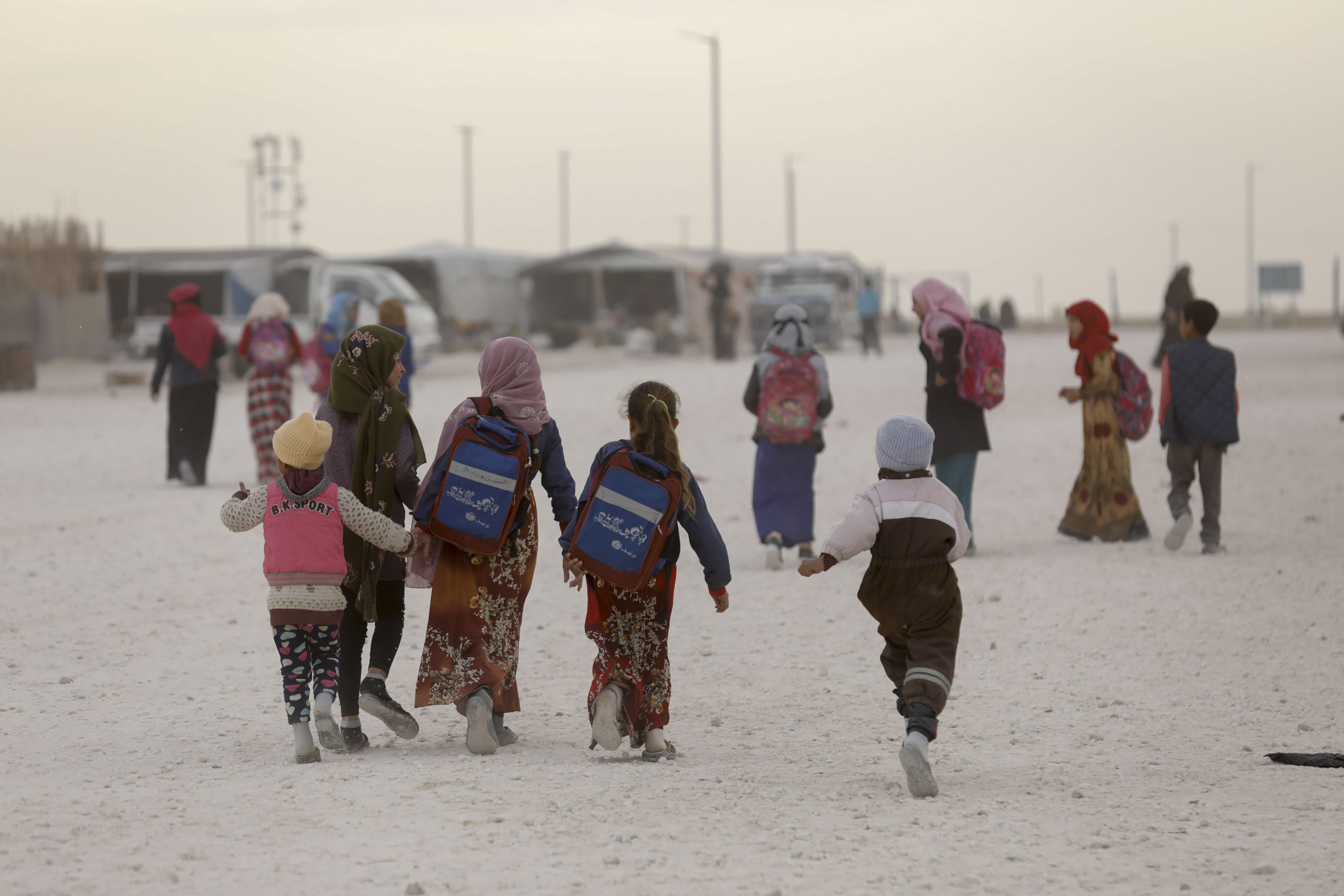
Migration is often described through numbers, borders, and policies. Yet behind every movement across a country or between nations is a personal story—especially when children are involved.
For children on the move, migration is not only a physical journey from one place to another. It is an emotional, social, and developmental experience that can shape their entire childhood. The challenges they face often remain invisible to the outside world: adjusting to unfamiliar environments, accessing healthcare, continuing education, making new friends, and rebuilding a sense of safety.
Children experience migration differently from adults. They may not understand why they had to leave their home, how long uncertainty will last, or whether they will ever return to familiar places. At the same time, they are expected to adapt, learn, and continue growing.
Understanding the daily realities of children on the move is essential for creating systems that protect their rights and support their well-being at every stage of migration.
Migration Is More Than a Change of Location
For adults, migration is often viewed through practical concerns such as employment, housing, legal processes, or transportation. For children, the experience is often much broader.
A move can affect:
- Their sense of identity
- Their friendships
- Their education
- Their emotional security
- Their family relationships
- Their understanding of the world
A child leaving a familiar neighborhood may also be leaving behind grandparents, friends, teachers, routines, and places that gave them comfort.
Even when migration creates new opportunities, the process of adjustment can be challenging.
Children do not simply arrive in a new place—they must rebuild parts of their lives.
Before Migration: The Experiences That Shape a Child’s Journey
The challenges children face often begin before they ever cross a border.
Some children move because their families are searching for better opportunities. Others leave because of circumstances involving conflict, poverty, environmental changes, or safety concerns.
Before migration, children may experience:
- Uncertainty about the future
- Separation from familiar communities
- Disruption to education
- Changes in family responsibilities
- Fear or confusion about what comes next
Children may not always have a voice in the decision to move, but they experience the consequences deeply.
Preparing children emotionally and providing age-appropriate explanations can help them understand change and feel more secure.
During Migration: The Uncertainty of the Journey
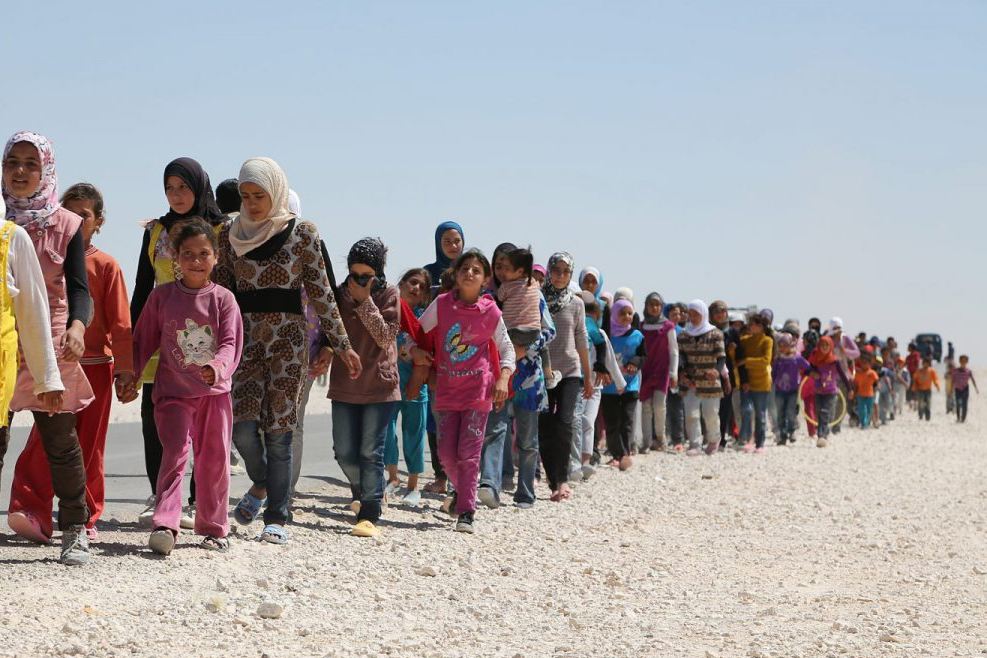
The migration journey itself can be one of the most difficult experiences for children.
Depending on the circumstances, children may face:
- Long periods of uncertainty
- Separation from caregivers
- Unsafe travel conditions
- Frequent changes in living situations
- Lack of access to basic services
For some children, migration involves experiences that can affect their emotional well-being for years.
The stress of uncertainty can influence how children respond to new environments. Some may become withdrawn, while others may show anxiety, frustration, or difficulty concentrating.
During this stage, protection and support are especially important.
Children need safe environments, trusted adults, and access to essential services throughout their journey.
After Arrival: Rebuilding Everyday Life
Arrival in a new community does not mean the challenges of migration are over.
Many children face a second transition: learning how to belong in an unfamiliar environment.
They may need to adapt to:
- A new language
- Different social expectations
- New school systems
- Different cultural traditions
- Unfamiliar healthcare systems
- New community relationships
While adults may focus on practical settlement needs, children are also navigating the emotional process of creating a new identity.
The ability to adjust depends greatly on the support systems available around them.
Accessing Healthcare in a New Environment
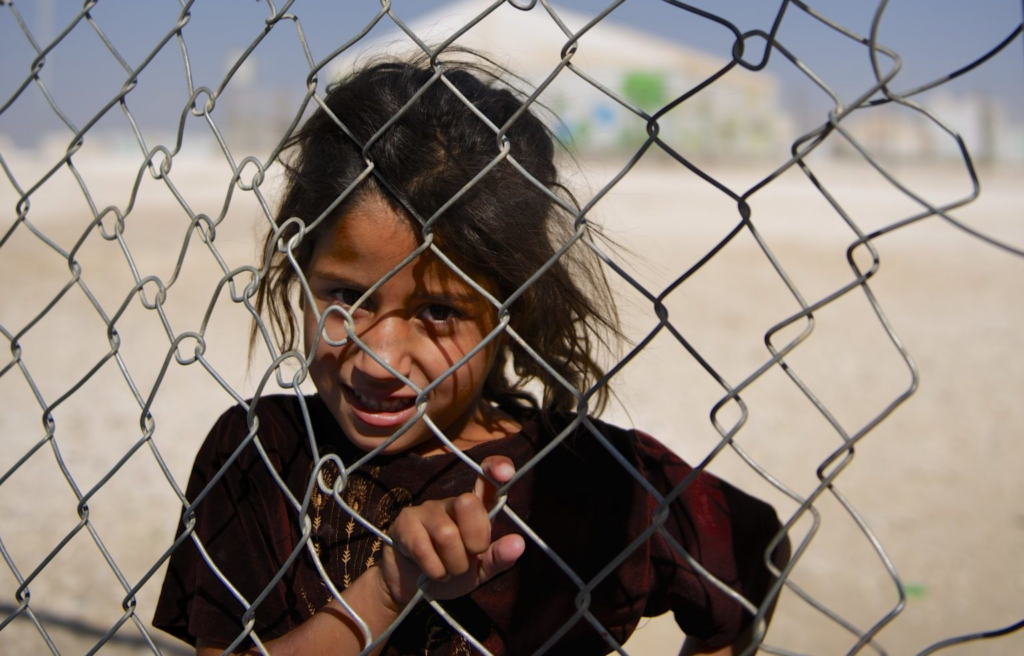
Healthcare is a fundamental need for every child, yet migrant children may face barriers when trying to access medical services.
Challenges can include:
- Lack of information about available services
- Language differences
- Transportation difficulties
- Financial barriers
- Limited knowledge of healthcare systems
- Fear or uncertainty about seeking help
Children may also arrive with healthcare needs resulting from previous experiences, interrupted care, or stressful circumstances.
Accessible healthcare systems should recognize the specific needs of children on the move.
Support may include:
- Translation services
- Child-friendly communication
- Health screenings
- Mental health support
- Assistance navigating healthcare systems
A child’s health should never depend on their migration status.
Continuing Education While Adapting to Change
School is one of the most important sources of stability for children during migration.
However, starting school in a new country or community can be challenging.
Children may experience:
- Difficulty understanding lessons in a new language
- Differences in teaching styles
- Gaps in previous education
- Fear of being excluded
- Challenges making friends
Education provides more than academic knowledge. It gives children structure, relationships, and a sense of normal life.
Supportive schools can help children rebuild confidence and feel connected to their new environment.
Building New Friendships and Social Connections
Friendships are a major part of childhood development.
For children on the move, making new friends can be both exciting and difficult.
They may worry about:
- Speaking differently
- Being misunderstood
- Feeling different from classmates
- Experiencing discrimination
- Missing old friendships
Positive relationships help children adapt emotionally and socially.
Simple opportunities for connection—such as sports, school activities, community programs, and shared learning experiences—can make a significant difference.
Friendship creates a bridge between unfamiliar surroundings and a sense of belonging.
Language: More Than Words
Learning a new language is often one of the first challenges children encounter after migration.
Language affects more than classroom performance. It influences:
- How children express emotions
- How they make friends
- How they participate in daily life
- How they maintain family connections
A child who cannot communicate easily may feel isolated even when surrounded by others.
At the same time, a child’s original language remains an important part of their identity.
Supporting multilingualism allows children to build new skills without losing connections to their cultural background.
The Emotional Weight of Starting Over
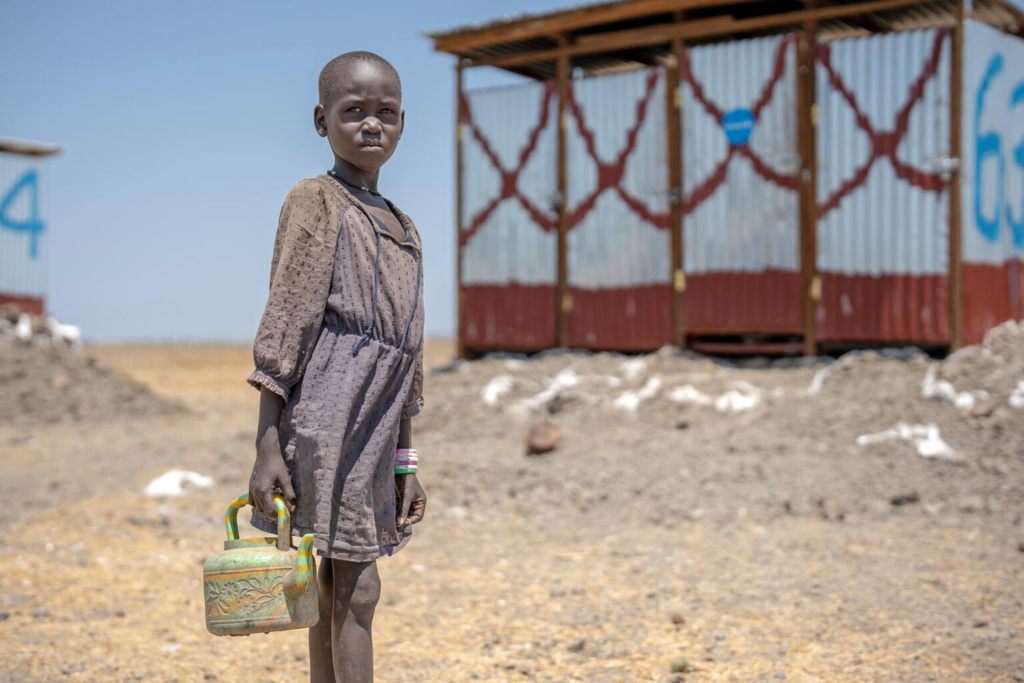
Children on the move often carry emotional experiences that others cannot see.
They may feel:
- Sadness for what they left behind
- Anxiety about the future
- Pressure to adapt quickly
- Confusion about identity
- Responsibility for helping their families adjust
These feelings do not always appear openly.
A child may seem comfortable while privately struggling with change.
Adults who work with migrant children should recognize that emotional support is just as important as practical assistance.
The Importance of Belonging
Belonging is a basic human need.
For children, feeling accepted and valued influences confidence, learning, and emotional development.
Children on the move build belonging when they experience:
- Respect for their culture
- Supportive friendships
- Welcoming schools
- Safe communities
- Recognition of their experiences
Belonging does not require children to leave behind their past.
Healthy integration allows children to maintain connections to their heritage while developing new relationships and identities.
How Communities Can Support Children on the Move
Communities play an essential role in helping migrant children feel safe and included.
Supportive communities can:
- Create welcoming public spaces
- Provide access to essential services
- Encourage cultural exchange
- Support schools and families
- Challenge discrimination
Small actions can have lasting effects.
A welcoming teacher, a supportive neighbor, or a new friend can help transform an unfamiliar environment into a place where a child feels they belong.
Creating Child-Centered Migration Systems
Migration systems are often designed around administrative processes, borders, and legal frameworks.
While these considerations are important, child-centered approaches ask a different question:
How does this decision affect the child?
Child-focused migration policies should prioritize:
- Safety
- Family unity
- Education
- Healthcare
- Emotional well-being
- Protection from harm
Children should be recognized first as children, not only as migrants.
Seeing the Journey Behind the Story
Every child on the move carries a story that extends far beyond a border crossing or relocation.
Their journey includes memories, hopes, fears, relationships, and dreams for the future.
When societies understand the invisible challenges children face, they can create stronger systems of protection and support.
Migration may change where children live, but it should not determine whether they have access to safety, education, healthcare, and opportunity.
Every child deserves the chance to grow, connect, and thrive—wherever their journey takes them.