
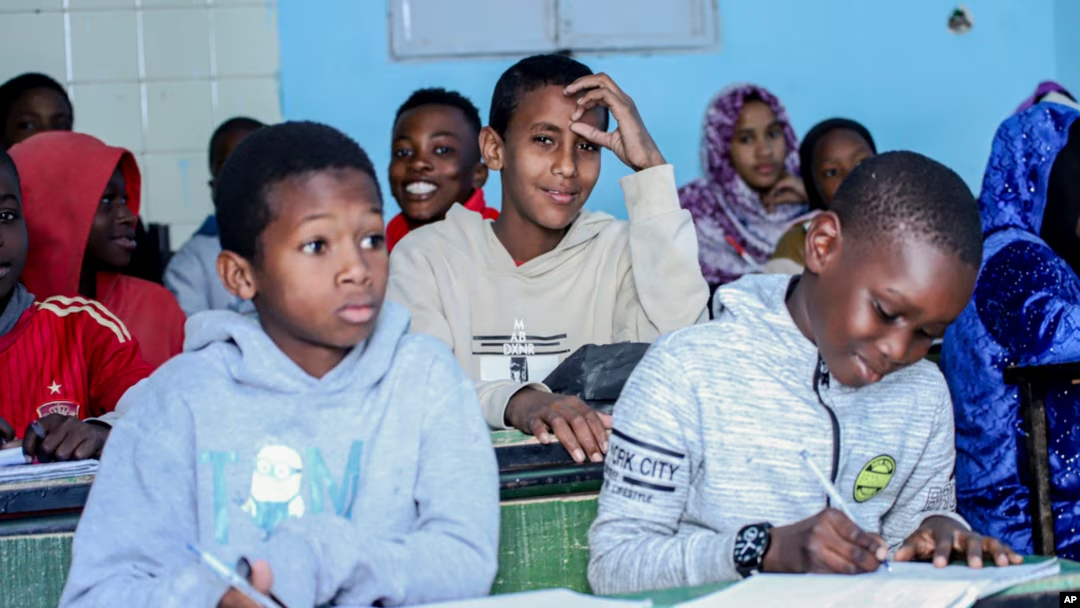
For many children, school represents far more than a place to learn mathematics, science, languages, or history. It is a space where friendships are formed, confidence develops, routines are created, and dreams begin to take shape.
For migrant children, education can be especially important. After leaving familiar communities, homes, and social networks, school often becomes one of the first places where children begin rebuilding stability in a new environment.
Yet millions of migrant and displaced children around the world face barriers that prevent them from accessing quality education. Interruptions in learning can affect not only academic development but also emotional well-being, social integration, and future opportunities.
Education without borders means recognizing that every child deserves the chance to learn, regardless of where they were born, where they are moving from, or where their journey leads them.
Education as a Fundamental Right
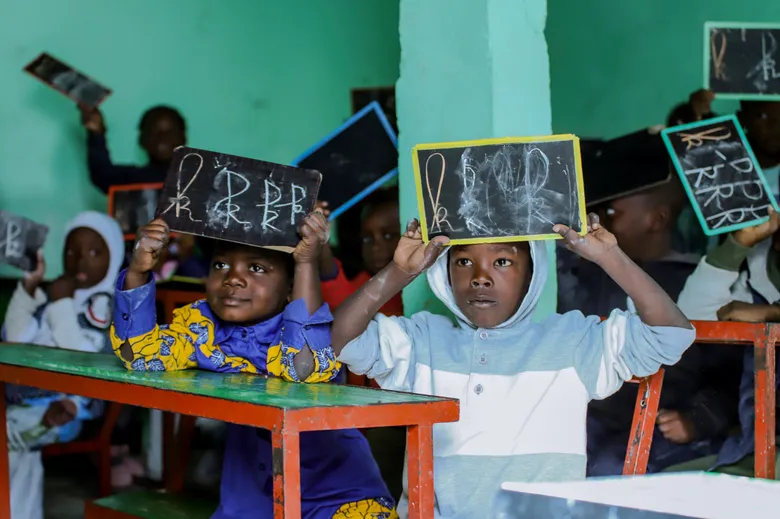
Education is one of the most important foundations of childhood development.
A quality education provides children with:
- Knowledge and practical skills
- Social connections
- Confidence and independence
- Opportunities for future employment
- The ability to participate in society
For migrant children, education also provides something equally important: a sense of belonging.
A classroom can offer predictability during periods of uncertainty. It can create relationships with supportive adults and peers while helping children adapt to their new surroundings.
Access to education is not simply about academic achievement. It is about protecting children’s development and ensuring they have opportunities to build their futures.
How Migration Interrupts Learning
Migration can create significant disruptions in a child’s education.
Some children experience short interruptions, while others may spend months or years without consistent access to schooling.
Common barriers include:
- Moving between different education systems
- Lack of documentation
- Language differences
- Financial challenges
- Limited school availability
- Discrimination or exclusion
- Legal and administrative obstacles
For children who have experienced displacement or crisis, these challenges may be combined with emotional stress and uncertainty.
Every interruption increases the risk of children falling behind academically and becoming disconnected from learning.
The Hidden Impact of Lost Learning Opportunities
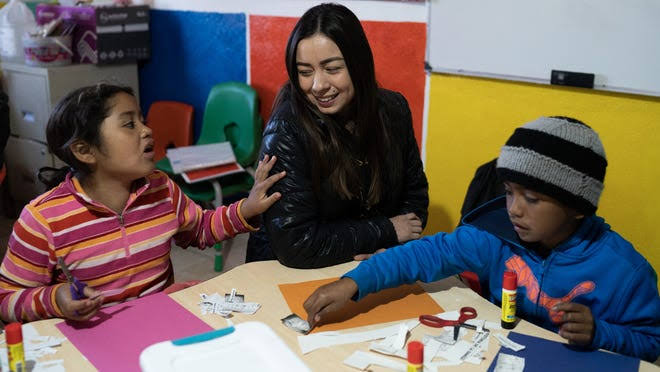
When children cannot access education, the consequences extend beyond missed lessons.
Interrupted education can affect:
- Literacy and numeracy development
- Social relationships
- Confidence
- Mental well-being
- Future career opportunities
School provides structure and connection. Without it, children may lose important opportunities to develop skills and relationships during critical stages of growth.
For migrant children, education is often one of the strongest tools for rebuilding a sense of normal life.
Language Support: Building Bridges Through Communication
Language is one of the most common challenges faced by migrant students.
A child entering a new school may understand little of the language used in the classroom, making it difficult to participate fully.
Language barriers can affect:
- Academic progress
- Friendships
- Classroom confidence
- Communication with teachers
- Family involvement in education
However, language differences should not be viewed as limitations.
Many migrant children bring valuable linguistic and cultural knowledge that can enrich classrooms.
Effective language support programs help children develop new language skills while respecting and maintaining their existing languages.
Successful approaches include:
- Additional language classes
- Bilingual education programs
- Language learning support inside classrooms
- Peer mentoring
- Family communication in multiple languages
Supporting multilingual children benefits the entire learning environment.
Schools as Safe Spaces for Belonging
For migrant children, entering a new school can be both exciting and intimidating.
Schools play an important role in helping children feel accepted.
An inclusive school environment encourages students to:
- Build friendships
- Share their experiences
- Participate confidently
- Develop a positive identity
- Feel connected to their community
Belonging is especially important for children who may have experienced separation, uncertainty, or major life changes.
A welcoming classroom can become a place where children begin to feel secure again.
Successful Inclusion Programs for Migrant Students
Across the world, schools and communities have developed approaches designed to support migrant children’s education.
While programs differ depending on local needs, successful initiatives often share common principles.
Welcome and Orientation Programs
The first days and weeks in a new school can be challenging.
Welcome programs help students and families understand:
- School expectations
- Available resources
- Classroom routines
- Community services
A strong beginning can reduce anxiety and help children adjust more quickly.
Peer Support and Mentoring
Relationships with classmates can make a significant difference.
Peer programs encourage students to support one another through:
- Friendship-building activities
- Language practice
- Collaborative learning
- Cultural exchange
These programs benefit both migrant students and local students by creating greater understanding.
Culturally Responsive Teaching
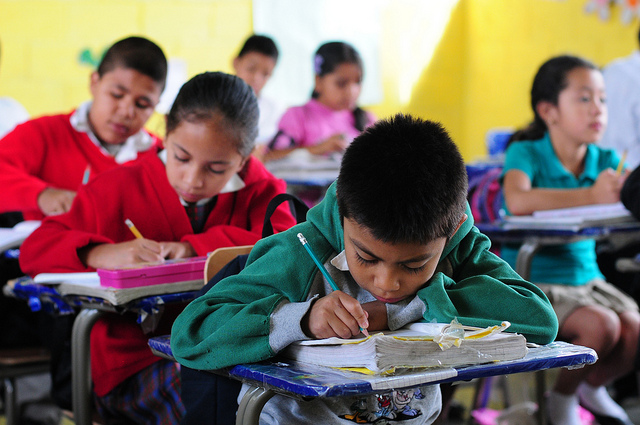
Teachers play a central role in creating inclusive classrooms.
Culturally responsive education recognizes that students bring different backgrounds and experiences into the classroom.
It includes:
- Representing diverse cultures in learning materials
- Respecting different traditions
- Encouraging multiple perspectives
- Avoiding stereotypes
When children see their identities respected, they are more likely to engage in learning.
The Role of Teachers in Supporting Migrant Children
Teachers are often among the first adults outside the family who help migrant children adapt.
Their role extends beyond academic instruction.
Supportive educators help students by:
- Building trusting relationships
- Identifying learning needs
- Encouraging participation
- Recognizing individual strengths
- Creating emotionally safe classrooms
Teachers do not need to have all the answers. What matters most is creating an environment where children feel valued and supported.
Professional training can help educators better understand migration experiences and develop effective inclusion strategies.
Supporting Families Through Education
Children’s education is closely connected to family involvement.
However, migrant families may face challenges engaging with schools because of:
- Language barriers
- Different education systems
- Work responsibilities
- Limited access to information
- Cultural differences
Schools can strengthen family partnerships by:
- Providing translated communication
- Offering flexible meeting options
- Creating welcoming environments
- Connecting families with community resources
When families and schools work together, children receive stronger support.
The Long-Term Benefits of Uninterrupted Learning
Maintaining educational continuity during migration has benefits that extend throughout a child’s life.
Consistent education supports:
- Higher academic achievement
- Greater confidence
- Better employment opportunities
- Stronger social integration
- Improved mental well-being
Educated children are also more likely to contribute positively to their communities as adults.
Investing in migrant children’s education is not only an act of protection—it is an investment in future societies.
Education Supports More Inclusive Communities
Schools are often places where different cultures meet.
When children from different backgrounds learn together, they develop skills that are increasingly important in a connected world.
Inclusive education encourages:
- Respect for diversity
- Cross-cultural understanding
- Cooperation
- Empathy
- Global awareness
Supporting migrant students benefits all learners by creating richer and more diverse educational environments.
The Importance of Policy and International Cooperation
Ensuring education access for migrant children requires coordinated action.
Governments and organizations can support inclusive education by:
- Removing unnecessary barriers to enrollment
- Investing in language programs
- Training teachers
- Supporting displaced children
- Strengthening cooperation between countries
Migration is a global reality, and education systems must be prepared to support children whose lives cross borders.
A child’s right to learn should not depend on their migration status.
Creating a Future Without Educational Borders
For migrant children, school represents more than a building or a curriculum. It represents opportunity, stability, connection, and hope.
Education gives children the tools to understand the world and shape their place within it. It helps them develop skills, friendships, confidence, and a sense of belonging.
When societies ensure uninterrupted learning for children on the move, they protect not only individual futures but also the future strength of communities and nations.
Borders may separate countries, but they should never limit a child’s right to education.
A truly inclusive world begins when every child can enter a classroom knowing they are welcome, valued, and supported.