
A child’s future should not be determined by geography.
The circumstances of a child’s birth—the country they enter the world in, their family’s economic situation, or the challenges facing their community—can have a profound impact on their opportunities. Yet every child begins life with the same fundamental needs: safety, care, education, health, and the chance to develop their potential.
Children’s rights exist because childhood is a critical period of human development. During these years, children depend on adults and institutions to protect them, support their growth, and create environments where they can thrive.
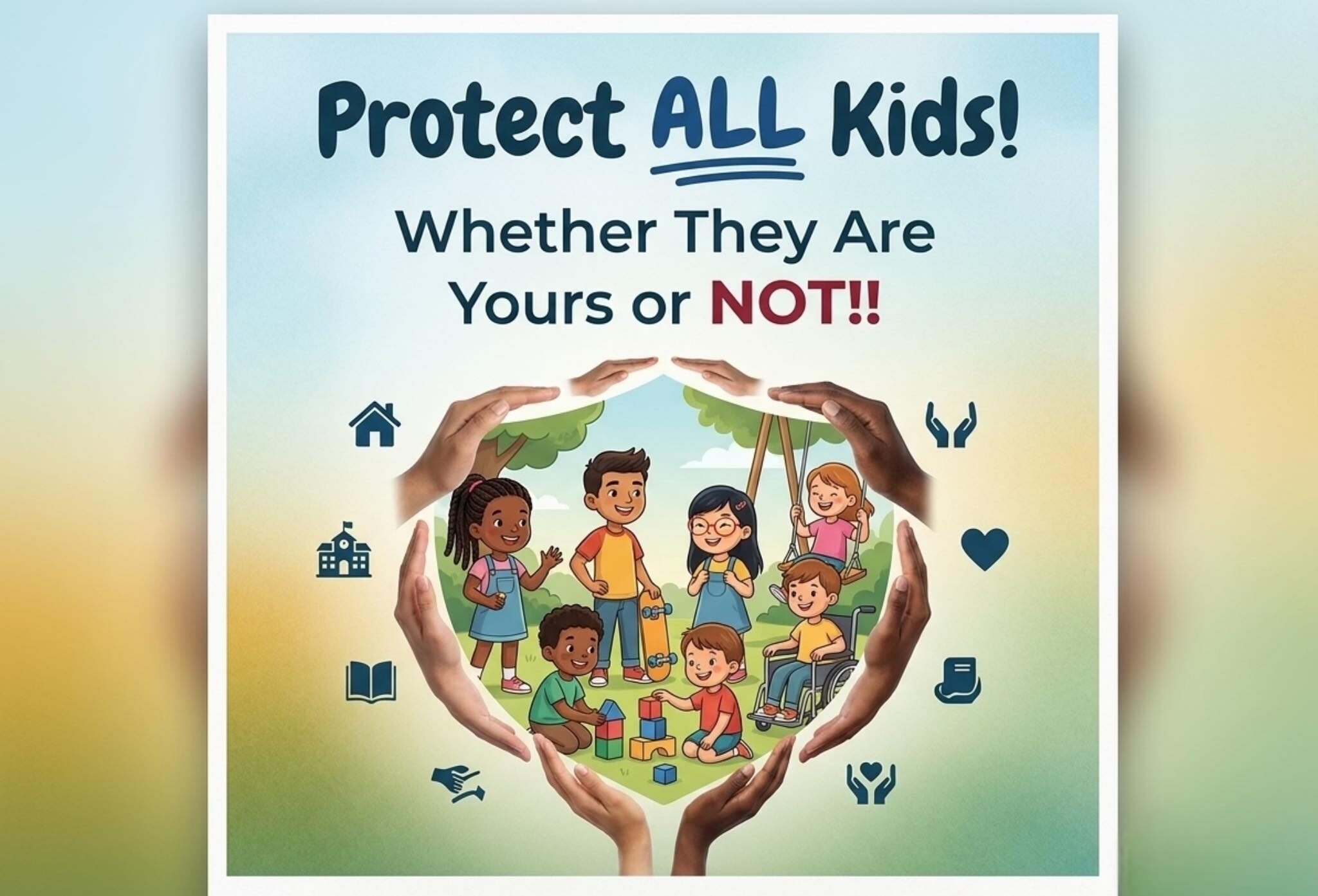
In an interconnected world, protecting children requires a shared global commitment. Children’s rights must extend beyond borders, nationalities, and legal categories because every child has inherent dignity and deserves protection.
The Universal Foundation of Children’s Rights
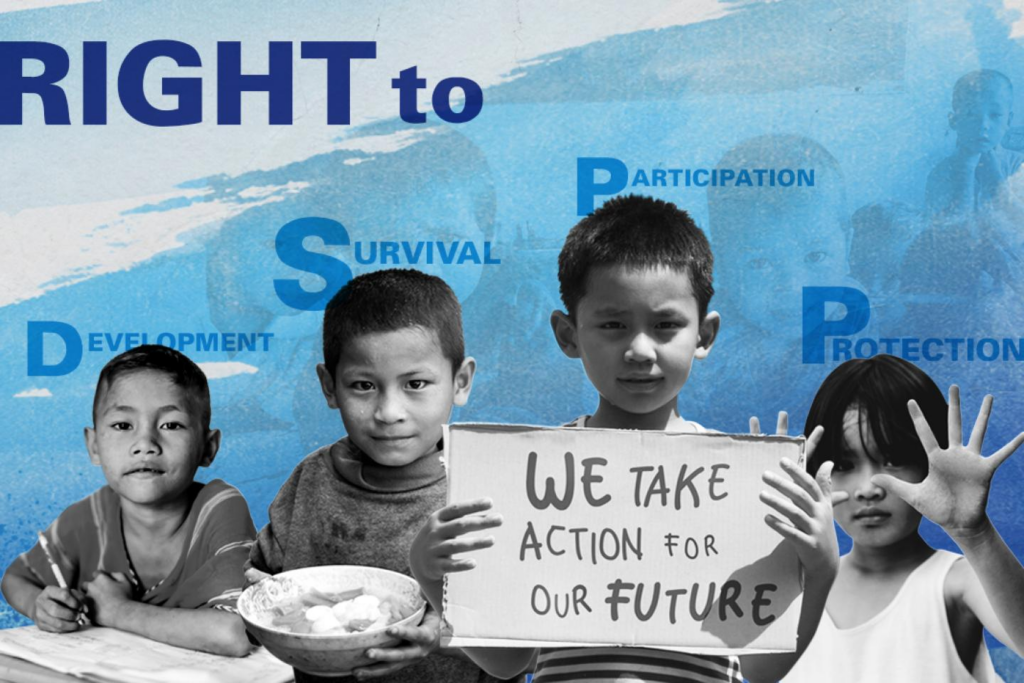
Children’s rights are built on the understanding that all children deserve equal respect and protection.
These rights recognize that children are not only individuals in need of care but also people with their own voices, identities, and abilities to participate in decisions affecting their lives.
Universal children’s rights include:
- The right to safety and protection from harm
- The right to education
- The right to healthcare
- The right to family support and care
- The right to participate and express opinions
- The right to development and opportunities
- The right to be treated with dignity and respect
These principles apply to every child, regardless of:
- Country of birth
- Nationality
- Migration status
- Language
- Religion
- Family background
- Economic circumstances
A child’s rights are connected to their humanity, not their location.
Why Birthplace Should Not Determine a Child’s Future
The country where a child is born can influence access to essential services and opportunities.
Some children grow up with strong educational systems, reliable healthcare, and stable environments. Others face challenges caused by poverty, conflict, displacement, discrimination, or limited resources.
These differences can shape a child’s:
- Health outcomes
- Educational opportunities
- Safety
- Economic prospects
- Emotional development
However, unequal circumstances do not mean unequal worth.
A child born in a vulnerable environment does not deserve fewer opportunities or less protection. Recognizing this is at the heart of a global child rights approach.
Childhood Is a Shared Human Responsibility
Children’s development depends on the support systems surrounding them.
Families, communities, governments, and international organizations each have a role in creating conditions where children can grow safely.
Protecting children requires cooperation across multiple levels.
No single institution can address every challenge alone. Strong child protection systems are built through collaboration between those who understand local realities and those who can provide broader support.
The Role of Governments in Protecting Children
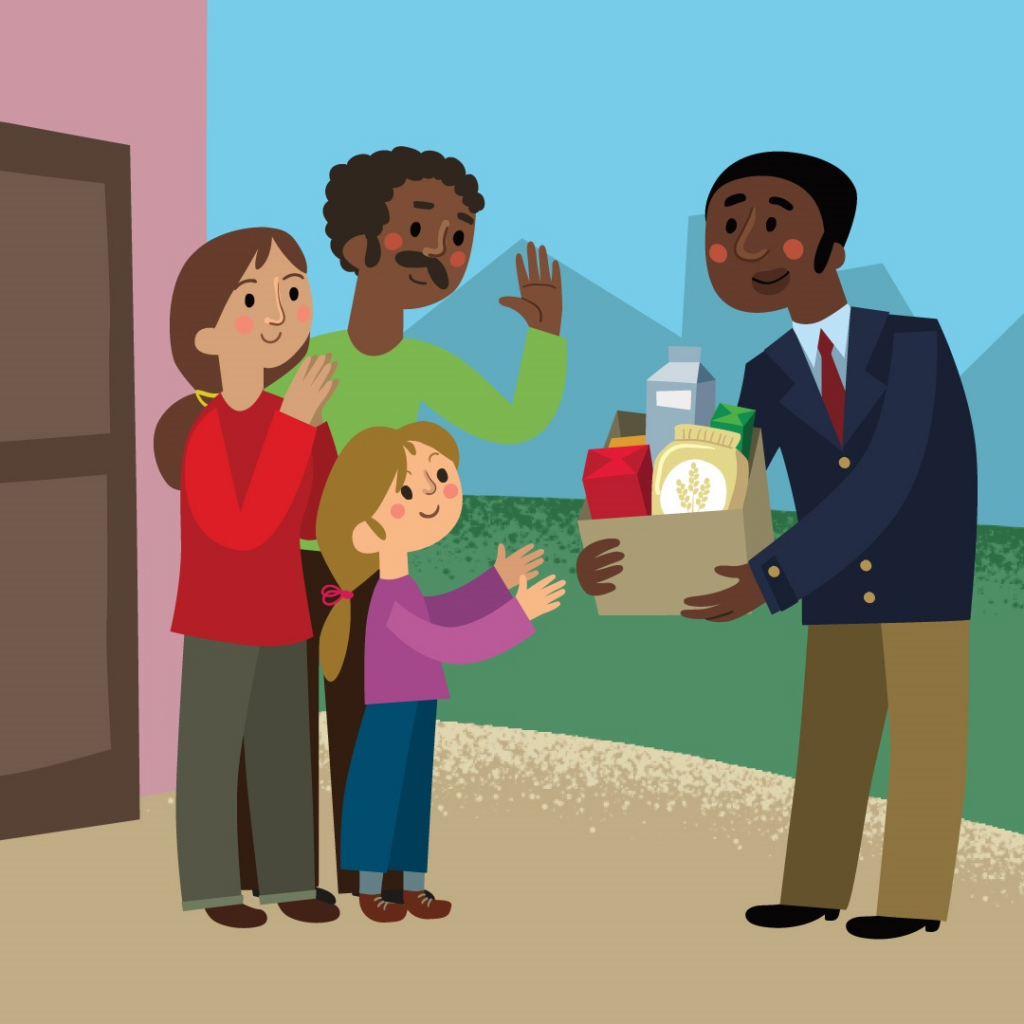
Governments have a central responsibility to create laws, policies, and systems that protect children’s rights.
This includes ensuring access to:
- Quality education
- Healthcare services
- Child protection programs
- Safe living environments
- Support for vulnerable families
Governments also have the responsibility to ensure that children are protected from:
- Violence
- Exploitation
- Neglect
- Discrimination
- Unsafe conditions
Effective child-centered policies recognize that investing in children strengthens entire societies.
When children have opportunities to learn, grow, and participate, communities become more resilient and prosperous.
The Importance of Equal Access to Education
Education is one of the most powerful tools for protecting children’s futures.
A quality education provides children with:
- Knowledge and skills
- Confidence
- Social connections
- Greater future opportunities
- The ability to participate in society
However, millions of children face barriers that prevent them from accessing education.
Challenges may include:
- Poverty
- Conflict
- Displacement
- Discrimination
- Lack of infrastructure
- Language barriers
Ensuring that every child can learn requires commitment from governments, educators, communities, and international partners.
Education should be viewed not as a privilege for some children but as a foundation for every child’s development.
Communities as Protectors of Childhood
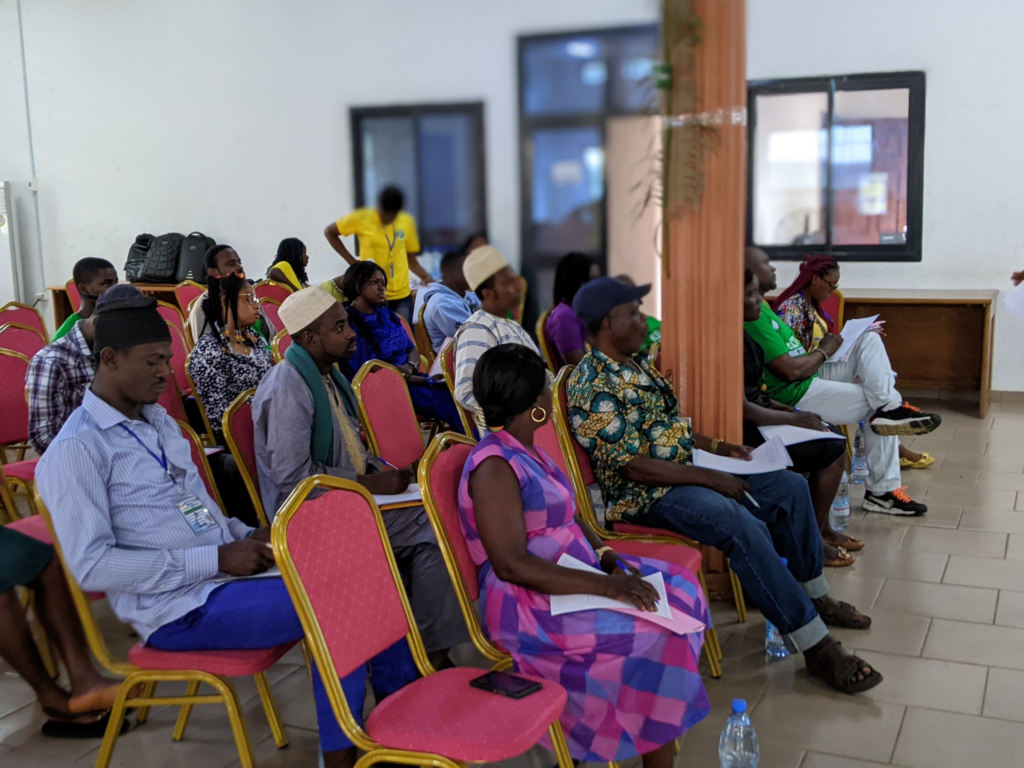
While governments create systems and policies, communities shape children’s daily experiences.
A child’s immediate environment has a powerful influence on their sense of safety and belonging.
Communities support children by:
- Creating inclusive spaces
- Protecting vulnerable families
- Supporting schools and educators
- Encouraging positive relationships
- Challenging discrimination
A welcoming community can help children overcome difficult circumstances and build confidence in their future.
Every person has a role in creating environments where children feel valued and protected.
The Role of Families and Caregivers
Families and caregivers are often children’s first source of protection, guidance, and emotional support.
Strong family environments help children develop:
- Trust
- Emotional security
- Social skills
- Confidence
- A sense of identity
However, not all families have equal access to resources or support.
Social systems must help families overcome challenges so that caregivers can provide children with safe and nurturing environments.
Supporting children also means supporting the adults who care for them.
International Organizations and Global Cooperation
Many challenges affecting children cross national borders.
Migration, conflict, climate change, health crises, and economic instability can impact children’s lives across regions.
International organizations play an important role by supporting:
- Emergency protection programs
- Education initiatives
- Healthcare access
- Child-focused research
- Policy development
- Humanitarian responses
Global cooperation allows countries and organizations to share knowledge, resources, and solutions.
Protecting children requires recognizing that challenges affecting one group of children can ultimately affect communities around the world.
Protecting Children During Migration and Displacement
Children who move across borders often face unique challenges.
Migration may bring opportunities, but it can also create uncertainty and risks.
Children on the move may experience:
- Interrupted education
- Separation from family members
- Language barriers
- Emotional stress
- Difficulty accessing essential services
A child’s rights should remain protected throughout their journey.
Migration status should never prevent children from receiving safety, education, healthcare, and support.
A child does not become less deserving of protection because they cross a border.
The Importance of Listening to Children
Children are not only recipients of protection—they are individuals with perspectives and experiences that matter.
Listening to children helps societies better understand:
- Their needs
- Their concerns
- Their hopes
- Their experiences with schools and communities
Meaningful participation allows children to contribute to decisions that affect them.
When adults listen to children, policies and programs become more responsive and effective.
Respecting children’s voices is an essential part of respecting children’s rights.
Building a Culture of Responsibility
Protecting children’s rights requires more than laws and policies.
It requires a culture where people recognize that every child matters.
This culture is built through:
- Education about children’s rights
- Respect for diversity
- Community involvement
- Responsible leadership
- International cooperation
When societies prioritize children, they invest in the future.
Children who grow up protected and supported are more likely to become healthy, engaged, and capable adults.
Moving Toward a World Where Rights Have No Borders
The idea that children’s rights should transcend borders reflects a simple but powerful principle: every child has equal human value.
A child’s opportunities should not depend solely on birthplace, nationality, or circumstances beyond their control.
Governments have responsibilities. Communities have responsibilities. International organizations have responsibilities. Together, they create the systems that allow children to survive, develop, and thrive.
A Future Built Around Every Child
Protecting children’s rights across borders is not only a humanitarian responsibility—it is an investment in a more just and sustainable world.
When societies protect children, they protect future generations of leaders, creators, caregivers, and community members. When children have access to education, safety, and support, they are better able to contribute positively to the world around them.
Every child deserves the chance to grow with dignity and hope.
Borders may define countries, but they should never limit a child’s right to protection, opportunity, and a future.